
Messianic Prayer Shawl Meaning Explained
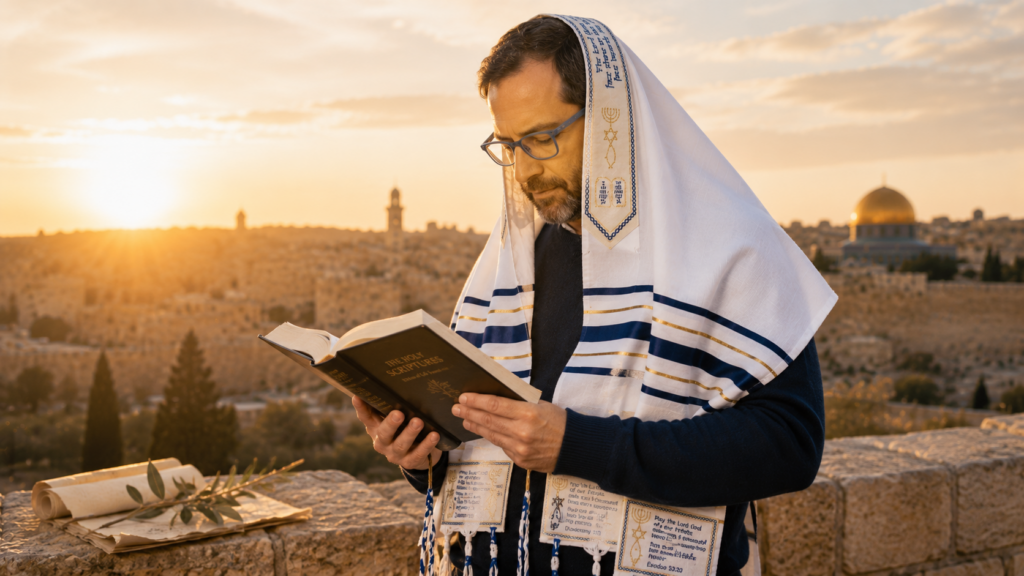
A prayer shawl is not just a garment folded over the shoulders before worship. For many believers, the messianic prayer shawl meaning reaches into Scripture, identity, reverence, and the desire to honor the God of Israel through a visible act of devotion. When someone chooses a Messianic prayer shawl, they are often looking for more than a beautiful piece of fabric. They are looking for a reminder of covenant, prayer, and biblical heritage.
That is why this topic matters. A Messianic prayer shawl can be deeply personal, but it also carries shared meaning rooted in the Bible and in worship traditions that continue to shape faith practice today.
What is a Messianic prayer shawl?
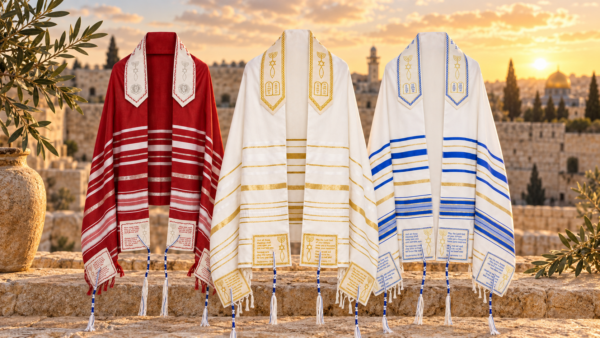
A Messianic prayer shawl is commonly understood as a tallit used by believers who embrace the Jewish roots of the Christian faith and who honor Yeshua, Jesus, as Messiah. In appearance, it may look similar to a traditional Jewish prayer shawl, often featuring white fabric, blue stripes, decorative accents, and tassels known as tzitzit.
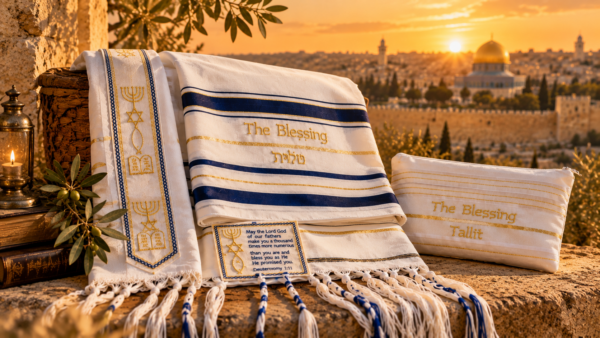
The difference is usually found less in the basic structure and more in how it is understood and used. In Messianic faith communities, the shawl can reflect continuity with biblical commandments while also expressing faith in the Messiah. Some designs include symbols such as a menorah, Star of David, lion of Judah, or Messianic seal, which makes the garment especially meaningful for those who want their worship items to reflect both Hebrew heritage and belief in Yeshua.
The biblical foundation behind messianic prayer shawl meaning
The heart of messianic prayer shawl meaning is tied to Scripture, especially the command concerning tassels. In Numbers 15:38-40, the children of Israel are instructed to place tassels on the corners of their garments as a reminder to remember the commandments of the Lord and do them. A similar instruction appears in Deuteronomy 22:12.
This is why the tassels matter so much. They are not merely decorative. They point to remembrance, obedience, and holy identity. For many Messianic believers, wearing or praying with a shawl becomes an intentional response to those biblical instructions. It is a way of bringing the Word close – not only in thought, but in visible practice.
There is also a powerful gospel connection that many believers recognize. In the New Testament, passages that describe people touching the “hem” of Jesus’ garment are often understood in relation to the fringes or tassels of His clothing. That connection gives the prayer shawl added meaning for Christians and Messianic believers who see it as a thread between Torah, the life of Jesus, and present-day worship.
Why the tassels are central
If you remove the tassels, you remove much of the biblical symbolism. The tzitzit are central because they represent memory and obedience. They call the worshiper back to God’s commands in moments when life becomes distracted, hurried, or spiritually dull.
For some, each knot and winding pattern carries numerical or traditional significance. Not every buyer needs to know every detail to appreciate the garment, but many do find that the craftsmanship matters. A prayer shawl with carefully made tassels often feels more than ceremonial. It feels purposeful.
This is one reason people often look closely at origin, materials, and design when choosing a shawl. Authenticity matters when the item is meant to support prayer and devotion rather than simply serve as a costume or display piece.
Colors, patterns, and symbols
The messianic prayer shawl meaning can also be reflected through color and design, although this is where personal preference and tradition begin to overlap. White is often associated with purity and reverence. Blue has strong biblical resonance and is commonly linked to heaven, holiness, and the commands of God.
Gold accents may suggest kingship, glory, or celebration. Black stripes can appear in more traditional styles, while blue and silver combinations are common in Messianic designs. Embroidered symbols can deepen the message. A menorah may point to temple worship and the light of God. The lion of Judah speaks of strength and the messianic promise. Grapevines, crowns, and Hebrew lettering may also appear.
Still, it depends on the purpose of the shawl. Some believers want a simpler, more traditional tallit for prayer. Others prefer richly symbolic designs that clearly express Messianic faith. Neither choice is automatically better. The right choice is the one that supports sincere worship and aligns with the believer’s convictions.
How believers use a Messianic prayer shawl today
A Messianic prayer shawl is often used during personal prayer, congregational worship, Sabbath meals, feast days, and special moments of devotion. Some wear it over the shoulders during prayer as a sign of reverence and focus. Others pull part of it over the head to create a quiet, private space before the Lord.
That practice can be meaningful because it reduces distraction and helps mark prayer as sacred time. For many believers, placing a shawl on the shoulders becomes a physical way to enter prayer with intention. It is not that the fabric itself creates holiness. Rather, it helps set the heart and mind apart for worship.
Some families also keep a prayer shawl for milestone occasions. It may be worn during a blessing, used in home worship, or given as a gift for baptism, dedication, ministry commissioning, or a spiritual birthday. In those settings, the shawl becomes both devotional and commemorative.
Is it required for Christian believers?
This is where wisdom and humility are important. A Messianic prayer shawl is meaningful, but it is not a requirement for salvation or a measure of spiritual worth. Many faithful believers never use one. Others find that it enriches their prayer life in a lasting way.
That distinction matters. The shawl should not be treated as a charm or as proof of deeper faith. Its value comes from what it points to – God’s Word, reverence in worship, and remembrance of His commands. Used rightly, it can be a blessing. Used wrongly, it can become more about appearance than devotion.
For those new to Hebraic roots or Messianic practice, this can be freeing. You do not need to know every custom before choosing a prayer shawl. What matters most is a sincere desire to honor the Lord and to understand the biblical meaning behind the item you bring into worship.
Choosing a shawl with the right meaning
When shopping for one, the practical details matter because they affect both use and significance. Material is worth considering first. A lighter fabric may be more comfortable for regular prayer, while a heavier weave can feel more formal and substantial. Size also matters. Some people prefer a smaller shawl for personal devotion, while others want a fuller size that drapes traditionally across the shoulders.
Design should match purpose. If the shawl is meant as a gift, symbolic embroidery and a presentation bag may make it more special. If it is meant for frequent worship use, comfort and craftsmanship may be more important than ornate detail. Buyers who value Holy Land heritage often look for pieces that reflect authentic biblical styling and careful construction.
This is where a trusted source makes a difference. A well-made prayer shawl should feel worthy of its purpose. At 3 Arches USA, many faith-minded shoppers look for meaningful religious products that reflect biblical symbolism, devotional use, and the heritage of the Holy Land.
Messianic prayer shawl meaning in everyday faith
What keeps this tradition alive is not only history. It is daily practice. A shawl folded beside a Bible, worn during morning prayer, or placed around the shoulders during worship becomes part of a believer’s spiritual rhythm. It can remind the heart to slow down, remember God’s faithfulness, and approach Him with reverence.
For some, the meaning is strongest in quiet moments alone with the Lord. For others, it is especially powerful during Sabbath, biblical feasts, or congregational prayer. Either way, the shawl serves best when it draws attention back to God rather than to the person wearing it.
That is the lasting beauty of this tradition. The prayer shawl points beyond itself. It invites remembrance, prayer, and a deeper awareness of biblical heritage, which is exactly why it continues to hold such meaning for Messianic believers and for many Christians who cherish the roots of their faith.
If you are considering one for personal worship or as a gift, choose a shawl that helps you pray with intention and honors the sacred story it represents.
For those seeking meaningful Messianic prayer shawls that reflect biblical heritage, worship, and the rich traditions of faith, explore our collection of Messianic prayer shawls at 3 Arches USA.
https://3archesusa.com/product-category/judaica/prayer-shawls
“Bringing a piece of the Holy Land to your home.”

Recent Comments