
What Is a Prayer Shawl and Why It Matters
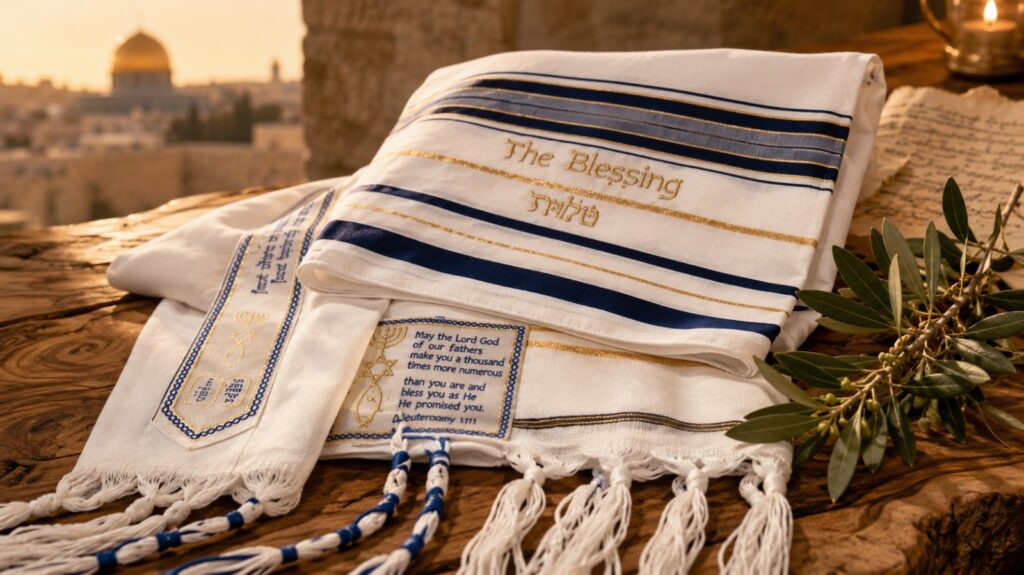
A prayer shawl often becomes meaningful long before someone fully understands it. A person may receive one as a gift for a baptism, holiday, ministry milestone, or personal prayer season. Then comes a simple question: what is a prayer shawl, and why do so many believers treasure it?
At its heart, a prayer shawl is a garment used during prayer and worship as a reminder of biblical obedience, remembrance, and devotion to God. In Jewish tradition, it is commonly known as a tallit or tallit gadol. Many Christians, Messianic believers, and Hebraic roots followers also embrace the prayer shawl as a devotional covering that points back to Scripture, reverence, and intentional time with the Lord.
What Is a Prayer Shawl in the Bible?
To understand the prayer shawl, it helps to begin with the Bible rather than modern custom. Its roots are commonly connected to passages such as Numbers 15:37–41 and Deuteronomy 22:12. In these passages, God instructed His people to place tassels on the corners of their garments.
These tassels, often called tzitzit, were not simply decorative. They reminded God’s people of His commandments and encouraged them to live faithfully.
That biblical foundation gives the prayer shawl its lasting significance. It is more than a piece of fabric. It carries themes of remembrance, obedience, and set-apart worship. For many believers today, putting on a prayer shawl provides a physical reminder to enter prayer with focus and humility.
In Jewish life, the tallit has a long and honored place in synagogue prayer and religious observance. Christian and Messianic practices vary. Some believers wear one regularly during prayer, worship, and feast observance. Others keep one for personal devotion at home or use it only on special occasions.
What Does a Prayer Shawl Symbolize?
The symbolism of a prayer shawl is one reason it remains such a meaningful devotional item. It can represent reverence, remembrance, and a heart turned toward God. For some believers, it also reflects the beauty of biblical heritage and a desire to worship in a way rooted in Scripture.
The tassels are especially important because they point back to God’s commandments. They serve as a visible reminder that faith should influence everyday life.
Patterns, stripes, Hebrew lettering, and colors can also carry symbolic meaning, although interpretations vary by tradition and design.
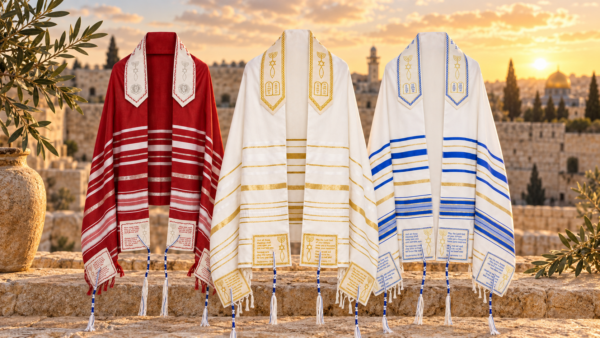
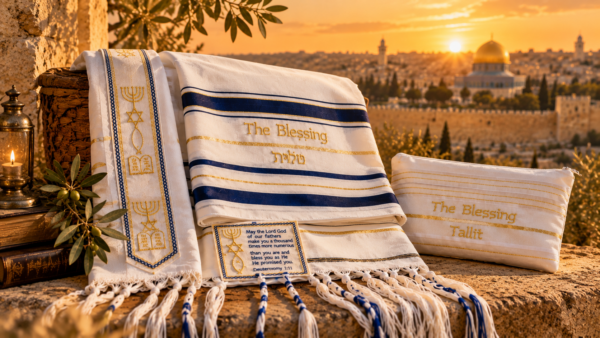
White and blue are common choices because of their biblical and traditional associations. Gold accents may suggest glory, kingship, or celebration. Some shawls include Hebrew blessings, Messianic symbols, or designs connected with Jerusalem, the Lion of Judah, or the Star of David.
These details do not replace the heart of worship. Instead, they can deepen a person’s connection to biblical heritage.
Many believers also find that a prayer shawl helps with concentration. Wrapping it around the shoulders can create a sense of stillness and separation from everyday distractions. The shawl itself is not mystical. Rather, it can help someone approach prayer with greater intention.
How Is a Prayer Shawl Used?
A prayer shawl is most often used during prayer, worship, Scripture reading, and spiritual reflection. Some believers place it over their shoulders, while others draw part of it over the head during private prayer.
In congregational settings, believers may wear prayer shawls during feast days, Sabbath gatherings, intercessory prayer, or special services.
At home, a prayer shawl can become part of a personal devotional routine. Someone may keep it folded with a Bible, anointing oil, or devotional journal and use it during morning prayer or evening Scripture reading. Others may bring it out during seasons of fasting, healing prayer, or family blessing.
Prayer shawls can also become meaningful gifts. Someone may present one to a pastor, ministry leader, graduate, or loved one walking through an important spiritual season. In these situations, the shawl becomes a tangible expression of encouragement, blessing, and biblical connection.
However, personal practices differ. Some people wear a prayer shawl often, while others value it primarily for its symbolism. Both approaches can come from sincere faith.
Is a Prayer Shawl Only for Jewish Believers?
This common question requires care and respect. The prayer shawl comes from Jewish biblical and religious tradition. That heritage deserves recognition and respect.
At the same time, many Christians and Messianic believers feel drawn to prayer shawls because of their scriptural roots and connection to biblical worship.
For Messianic believers and some Hebraic roots followers, wearing a tallit may express covenant remembrance and biblical continuity. Other Christians may appreciate a prayer shawl as a devotional aid rather than a required garment.
A prayer shawl is not necessary for a faithful prayer life. It does not make prayer more powerful by itself, nor should anyone treat it as a shortcut to spiritual depth. Its value comes from what it represents: reverence before God, remembrance of His Word, and intentional devotion.
Therefore, wise use begins with understanding. Anyone choosing a prayer shawl should recognize its origins, respect its meaning, and approach it sincerely.
How to Choose a Prayer Shawl
The best prayer shawl is not necessarily the most ornate. Instead, choose one that fits the purpose, tradition, and occasion.
Some people prefer a classic white prayer shawl with blue stripes. Others prefer a Messianic design with Hebrew lettering or symbols reflecting biblical faith.
Material also affects how the shawl feels and functions. A lightweight fabric may suit daily prayer, travel, or warm weather. A heavier woven shawl can feel more substantial for ceremonial use or special occasions.
Size matters as well. Some believers want a compact shawl for personal devotion, while others prefer a full-size tallit with a more traditional drape.
The occasion can also guide your choice. A gift for Christmas, Easter, ordination, or a ministry anniversary may call for a more distinctive design. In contrast, someone choosing a prayer shawl for daily devotion may prefer something simple, comfortable, and easy to wear regularly.
Why Biblical Heritage Matters
For shoppers who value biblical heritage and Holy Land authenticity, product details matter. Craftsmanship, traditional styling, symbolic embroidery, and origin can help distinguish a meaningful devotional item from something chosen only for decoration.
Understanding the symbolism also helps buyers choose a shawl appropriate for the person receiving it. Someone familiar with Messianic traditions may appreciate Hebrew lettering or particular symbols. A person newer to prayer shawls may prefer a simpler design whose purpose is easy to understand.
The goal is not simply to choose the most elaborate shawl. It is to find one that supports the person’s faith and devotional practices.
What Is a Prayer Shawl Meant to Do?
A prayer shawl is meant to remind, not replace. It can remind believers to pray, remember God’s Word, honor sacred tradition, and intentionally set aside time for worship.
For some, wearing a prayer shawl creates a sense of holy focus. Others appreciate its connection to biblical history and generations of worship. For gift buyers, it offers a meaningful alternative to generic religious presents because it carries both scriptural significance and devotional purpose.
Still, the shawl is not the center of worship. God is. The fabric, tassels, and design can support devotion, but they are not worship themselves.
If you have been wondering what is a prayer shawl, the clearest answer is this: it is a biblically rooted garment that helps many believers approach prayer with remembrance, reverence, and intention.
Whether chosen for personal worship or as a meaningful gift, its beauty lies not only in how it looks but also in the sacred heritage it carries into everyday faith.
For those seeking meaningful prayer shawls that reflect biblical heritage, worship, and devotion, explore our collection of prayer shawls at 3 Arches USA.
https://3archesusa.com/product-category/judaica/prayer-shawls
“Bringing a piece of the Holy Land to your home.”

Recent Comments