
Authentic Holy Land Gifts That Truly Matter
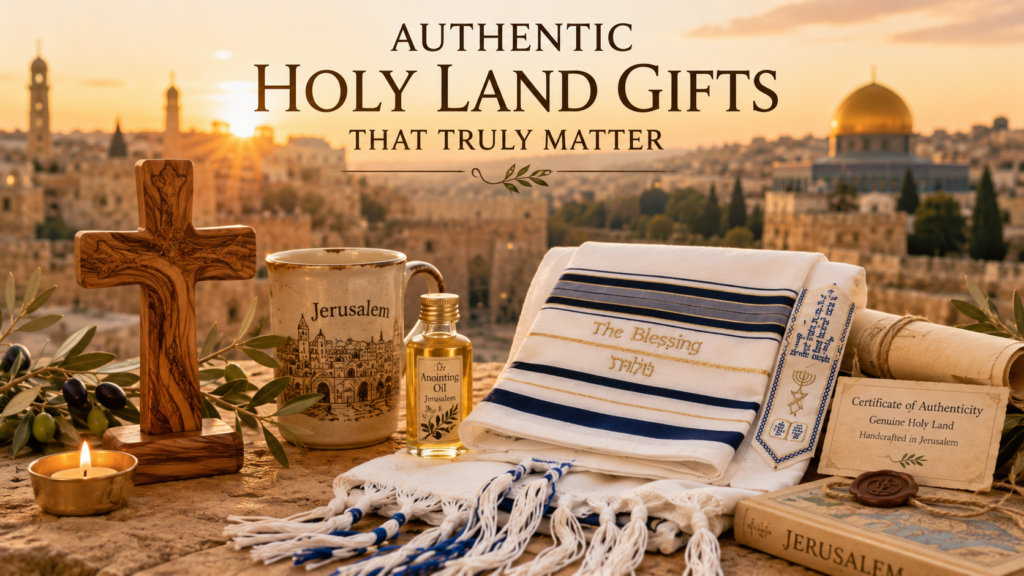
A gift can be beautiful and still feel empty. What makes authentic Holy Land gifts different is not just the material, scent, or craftsmanship. It is their connection to biblical heritage, sacred memory, and the daily practice of faith.
For many believers, a gift from the Holy Land carries more than decorative value. It can become part of prayer, worship, and even a family’s spiritual story. Whether you are choosing something for a birthday, baptism, Christmas, Easter, a ministry event, or personal devotion, the right item should feel grounded in meaning rather than simply packaged for the occasion.
Why Authentic Holy Land Gifts Carry Deeper Meaning
There is a real difference between a generic religious product and something chosen for its origin, symbolism, and devotional purpose. An item tied directly to Bethlehem or the land of Scripture can carry special meaning for the person receiving it.
Faith-based gifts are rarely just gifts. They often mark a season of prayer, grief, celebration, healing, or spiritual growth. Anointing oil may accompany personal prayer. An olive wood cross may sit beside a Bible for years. A prayer shawl may become part of regular worship and observance. These items can become woven into everyday devotion.
Authenticity also builds trust. Shoppers looking for something rooted in the Holy Land want confidence that a product does not use sacred language loosely. They want an item that reflects genuine heritage, biblical symbolism, and a tradition worth passing on.
What to Look for When Buying Authentic Holy Land Gifts
The first thing to consider is origin. If a product has a connection to the Holy Land or Bethlehem, its description should clearly explain that connection. Materials matter too. Olive wood, for example, has longstanding significance in Holy Land craftsmanship and works beautifully for crosses, nativity pieces, prayer holders, and devotional keepsakes.
The second consideration is purpose. Some gifts are primarily decorative, while others have a role in worship or spiritual practice. That distinction is worth considering. A communion set serves a different purpose from a wall hanging. A bottle of anointing oil speaks to prayer and blessing in a way that jewelry may not. Neither is automatically better. The right choice depends on the person and the occasion.
Symbolism is another important consideration. Good product descriptions should help buyers understand what an item represents. A pomegranate design may recall blessing and abundance. A Jerusalem cross can symbolize the Christian faith and its spread. Frankincense and myrrh immediately call to mind biblical worship and the gifts presented to Jesus. Clear symbolism makes a meaningful gift easier to choose with confidence.
Meaningful Gifts Do Not Need to Be Expensive
There is sometimes an assumption that authentic products from the Holy Land must be costly. That is not always the case. Smaller olive wood pieces, prayer accessories, pocket crosses, scented oils, and seasonal keepsakes can offer strong spiritual meaning at a modest price.
This can be especially helpful for church gifting, holidays, ministries, and events. A lower price does not automatically mean less meaning. The better question is whether the item is spiritually appropriate, well made, and chosen with intention.
Authentic Holy Land Gifts for Different Occasions
Some categories naturally lend themselves to gifting because they combine visual appeal with devotional value. Olive wood gifts remain a popular choice because they are warm, timeless, and closely associated with the land of the Bible. Crosses, nativity scenes, ornaments, and carved devotional pieces work well for family gifts, Christmas giving, and personal prayer spaces.
Anointing oils are especially meaningful for believers who value prayer, blessing, and biblical symbolism. They can make thoughtful gifts for pastors, ministry leaders, prayer partners, or loved ones walking through a difficult season. Fragrance matters, but so does the intention behind the gift. Oils are often best suited to someone who will use them during prayer rather than simply display them.
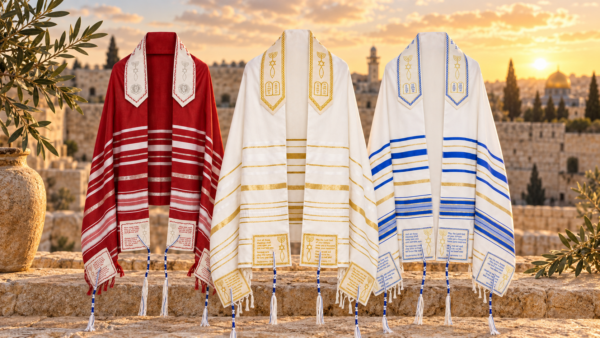
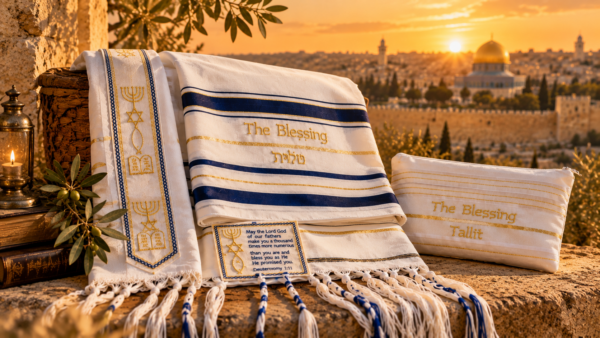
Prayer shawls and Judaica-inspired gifts can carry deep meaning for Messianic believers, Hebraic roots followers, and those who appreciate the continuity of Scripture. A tallit, shofar-inspired item, or piece connected to biblical feasts can be especially meaningful when given to someone who understands its place in worship.
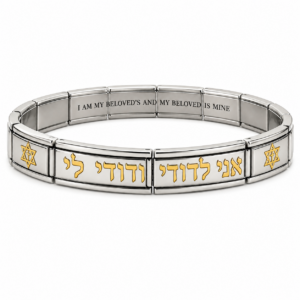
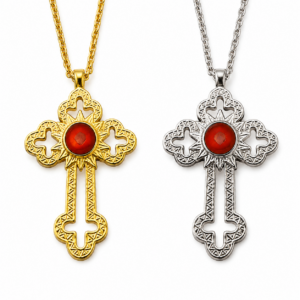
Rosaries, devotional jewelry, and smaller keepsakes work well when you want something personal that can become part of daily life. People often choose them for confirmations, baptisms, holidays, and encouragement gifts. These items can feel particularly special when their materials, symbols, and presentation reflect reverence and care.
Choosing Seasonal Holy Land Gifts
Christmas and Easter bring a flood of religious merchandise, but not all of it feels sacred. Seasonal authentic Holy Land gifts should do more than match the calendar. Ideally, they should draw the recipient back to the biblical event being remembered.
At Christmas, nativity sets, ornaments from Bethlehem, olive wood creches, and frankincense-inspired products can help families center the season on Christ’s birth.
At Easter, crosses, communion items, prayer tools, and resurrection-themed keepsakes often speak more directly to the meaning of the occasion than generic seasonal décor.
How to Choose a Gift That Feels Personal
The best religious gifts usually begin with one person in mind. Consider how the recipient lives out their faith. Do they value prayer, church tradition, biblical study, home worship, or holiday observance?
Someone who leads prayer may treasure anointing oil. A family that displays a nativity each year may appreciate a carved olive wood piece. Someone rooted in Hebraic worship may value a prayer shawl or Judaica item with scriptural meaning.
Also consider whether the gift should comfort, celebrate, or strengthen. For comfort, something tactile and devotional, such as a cross, oil, or prayer-focused keepsake, may be appropriate. For celebration, jewelry, nativity items, and decorative pieces can work beautifully. For spiritual encouragement, an item that can become part of worship may carry lasting value.
Presentation matters too. A meaningful gift should feel ready to give rather than like an afterthought. Clear product names, accurate sizing, and trustworthy descriptions all help shoppers choose confidently.
Ask the Right Questions Before Choosing
If you are shopping for authentic Holy Land gifts, a little discernment goes a long way. Consider whether the item carries genuine spiritual significance or simply uses biblical imagery for decoration. Think about whether the recipient will understand and value its symbolism. Finally, consider whether the gift belongs in prayer, worship, celebration, or remembrance.
There can be trade-offs. A highly symbolic item may be ideal for a knowledgeable believer but less familiar to someone newer to the faith. A decorative gift may be easier to give broadly but less personal than a devotional item. Likewise, a tradition-specific gift may carry deep meaning in one community and less in another.
When chosen thoughtfully, a gift can do more than mark an occasion. It can invite prayer, recall Scripture, and keep the heart turned toward the Lord long after the wrapping paper is gone.
If you are giving something in the name of faith, choose something that can stay close to faith. That is where lasting meaning begins.
For those seeking authentic Holy Land gifts that reflect faith, heritage, and biblical tradition, explore our collection of meaningful religious gifts at 3 Arches USA: https://3archesusa.com/
“Bringing a piece of the Holy Land to your home.”

Recent Comments