
Why Do Christians Celebrate Christmas on December 25?

Why do Christians celebrate Christmas on December 25? Every year, millions of believers around the world gather to celebrate the birth of Jesus Christ. Yet the Bible does not tell us the exact date when Jesus was born.
So why was December 25 chosen, and what does this date mean for Christians today?
Understanding the history of Christmas helps us appreciate how this beloved celebration developed and why its spiritual meaning remains important.
Does the Bible Say Jesus Was Born on December 25?
The Bible does not provide an exact date for the birth of Jesus.
The Gospels of Matthew and Luke describe important events surrounding His arrival. These include the angelic announcement to Mary, the journey to Bethlehem, and the birth of Jesus.
Luke 2:8 also describes shepherds watching over their flocks at night. However, this detail does not establish a specific month or season.
Therefore, December 25 is a traditional date of celebration, not a historically confirmed birthday of Jesus.
For Christians, the significance of Christmas comes from the birth of Christ rather than the precise calendar date.
Why Was December 25 Chosen for Christmas?
The history of December 25 as Christmas Day developed during the early centuries of Christianity.
By the fourth century, Christians in Rome were observing the birth of Jesus on December 25.
Historians have proposed several explanations for the choice of this date.
One explanation connects December 25 with an early Christian calculation that placed the conception of Jesus on March 25. Adding nine months leads to December 25.
Another explanation considers the influence of Roman winter celebrations and symbolism associated with the return of light.
However, historians continue to debate how these factors influenced the development of Christmas.
What is clear is that December 25 became an important date in the Christian calendar and gradually spread across many Christian communities.
Did Early Christians Celebrate Christmas?
The earliest Christians focused especially on the death and resurrection of Jesus.
Over time, believers also developed celebrations honoring His birth.
By the fourth century, Christmas had become an established observance in parts of the Christian world.
As Christianity spread, different communities developed their own customs, prayers, and traditions.
Today, Christmas remains one of the most widely celebrated Christian holidays.
Do All Christians Celebrate Christmas on December 25?
Not all Christians celebrate Christmas on the same calendar date.
Many Western Christian churches observe Christmas on December 25.
Some Eastern Orthodox churches celebrate Christmas on January 7 according to the civil calendar because they continue to use the Julian calendar for certain religious observances.
Other Christian traditions observe the Nativity on different dates.
Despite these calendar differences, the central purpose remains the same: celebrating the birth of Jesus Christ.
What Is the Biblical Meaning of Christmas?
The biblical meaning of Christmas centers on the arrival of Jesus Christ and the hope His birth brings to the world.
1. The Fulfillment of God’s Promises
Christians understand the birth of Jesus as part of the fulfillment of God’s promises.
Matthew 1:22–23 connects His birth with the prophecy of Emmanuel, meaning “God with us.”
This message reminds believers of God’s faithfulness throughout Scripture.
2. God’s Love for Humanity
Christmas celebrates the love of God revealed through Jesus Christ.
John 3:16 expresses the Christian belief that God sent His Son because of His love for the world.
For believers, Christmas is therefore a season of gratitude, hope, and spiritual reflection.
3. Humility and Simplicity
Jesus entered the world in humble circumstances.
Luke 2:7 describes Mary laying Him in a manger.
This simple beginning reminds Christians that spiritual greatness is not measured by wealth or earthly status.
4. Peace and Hope
In Luke 2:14, the angels announce glory to God and peace on earth.
This message continues to inspire Christians during the Christmas season.
It encourages believers to seek peace, show compassion, and share hope with others.
Why Are Lights and Decorations Associated With Christmas?
Christmas traditions developed gradually across different cultures.
Candles and lights became meaningful symbols of hope and the light of Christ.
In John 8:12, Jesus describes Himself as the light of the world.
For many Christians, Christmas lights serve as a reminder of this biblical message.
Other decorations, including stars, Nativity scenes, and religious ornaments, help families remember the events surrounding the birth of Jesus.
Although these customs are not required by Scripture, they can provide meaningful opportunities for reflection and family traditions.
Is Christmas About More Than Gifts and Decorations?
Christmas has become an important season for exchanging gifts, decorating homes, and gathering with loved ones.
However, its Christian meaning reaches beyond these traditions.
The celebration invites believers to reflect on faith, generosity, gratitude, and the gift of Jesus Christ.
Giving gifts can become an expression of love and kindness. Meanwhile, gathering with family provides opportunities to strengthen relationships and share the Christmas story.
The most meaningful Christmas traditions are often those that encourage compassion and bring families closer together.
How Can Christians Keep Christ at the Center of Christmas?
Keeping Christ at the center of Christmas does not require elaborate celebrations.
Families can begin by reading the Nativity accounts in Matthew and Luke.
Prayer, worship, charitable giving, and acts of kindness also help connect the season with its spiritual meaning.
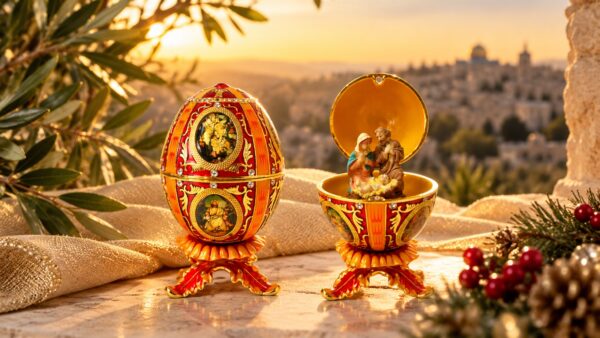
Some families display Christian ornaments or Nativity-inspired keepsakes as reminders of the birth of Jesus.
Above all, Christmas offers an opportunity to reflect on the message of hope, humility, and love found in Scripture.
Why Does December 25 Still Matter Today?
Although the exact birthday of Jesus remains unknown, December 25 has become a meaningful day of worship and celebration for millions of Christians.
The date brings believers together across generations and cultures.
It provides an opportunity to remember the birth of Christ, reflect on the love of God, and share the message of Christmas with others.
Ultimately, the importance of Christmas is not found in proving a particular date.
It is found in remembering Jesus Christ and the hope His birth represents.
As Christmas approaches, may the season encourage us to celebrate with faith, gratitude, generosity, and love.
Explore meaningful Christian gifts and Holy Land-inspired treasures at 3 Arches USA.
“Bringing a piece of the Holy Land to your home.”



Recent Comments