
The True Meaning of Christmas: Faith, Love and Giving

The true meaning of Christmas goes far beyond decorations, presents, and festive celebrations. For Christians, Christmas is a time to remember the birth of Jesus Christ and reflect on the powerful message of faith, love, hope, generosity, and peace.
Although Christmas traditions have changed over the centuries, the heart of the celebration remains the same. It is an opportunity to honor the birth of the Savior, strengthen family relationships, and share kindness with others.
But what is the true meaning of Christmas according to the Bible, and how can we celebrate it in a meaningful way?
What Is the True Meaning of Christmas in the Bible?
The true meaning of Christmas begins with the birth of Jesus Christ.
The Gospels of Matthew and Luke describe the events surrounding His arrival, including the angelic announcements, the journey to Bethlehem, and the birth of Jesus.
In Luke 2:10–11, an angel announces the birth of the Savior to shepherds watching their flocks.
For Christians, this announcement represents the fulfillment of God’s promises and the beginning of a new chapter in the story of salvation.
Therefore, Christmas is not simply a celebration of a historical birth. It is a reminder of God’s love for humanity and the hope found in Jesus Christ.
Why Is Faith at the Heart of Christmas?
Faith plays an important role throughout the Christmas story.
When the angel Gabriel announced that Mary would give birth to Jesus, she responded with trust in God (Luke 1:38).
Joseph also demonstrated faith when he followed the guidance he received through an angel (Matthew 1:20–24).
Neither Mary nor Joseph knew exactly what the future would bring. Nevertheless, they trusted God’s plan.
Their example reminds Christians that faith often requires patience, courage, and a willingness to follow God during uncertain circumstances.
Christmas encourages believers to strengthen their relationship with God through prayer, Scripture, and reflection.
How Does Christmas Represent God’s Love?
One of the most important messages of Christmas is the love of God.
John 3:16 expresses the Christian belief that God sent His Son because of His love for the world.
The birth of Jesus is therefore understood as an expression of divine love and the promise of salvation.
For Christians, this message encourages love not only toward family and friends but also toward neighbors, strangers, and those experiencing hardship.
Christmas offers a meaningful opportunity to practice compassion, forgiveness, and generosity.
Why Is Giving an Important Christmas Tradition?
Giving gifts has become one of the most familiar Christmas customs.
However, the spiritual meaning of giving reaches beyond exchanging presents.
Christians often connect the tradition with the gifts brought to Jesus by the Wise Men in Matthew 2:11.
The gifts of gold, frankincense, and myrrh carried significance within the biblical account.
More broadly, Christmas giving can remind believers of God’s generosity and the importance of sharing blessings with others.
A meaningful gift does not need to be expensive. Its value often comes from the love, thoughtfulness, and intention behind it.
What Does the Bible Teach About Generosity?
Generosity is an important theme throughout Scripture.
In Acts 20:35, Paul recalls the teaching of Jesus that giving brings greater blessing than receiving.
Similarly, 2 Corinthians 9:7 encourages cheerful and willing giving.
These passages remind Christians that generosity should come from the heart rather than from obligation.
During Christmas, this spirit can be expressed through charitable donations, helping families in need, sharing meals, or offering encouragement to someone experiencing loneliness.
Small acts of kindness can carry lasting meaning.
Why Are Peace and Hope Important at Christmas?
The Christmas story contains a powerful message of peace and hope.
In Luke 2:14, the heavenly host praises God and announces peace on earth.
For Christians, the birth of Jesus represents hope in a world often marked by uncertainty and difficulty.
This message encourages believers to seek reconciliation, practice patience, and approach others with compassion.
Christmas also reminds us that peace begins with everyday choices.
A kind word, an act of forgiveness, or a willingness to help someone can reflect the spirit of the season.
How Can Families Celebrate the True Meaning of Christmas?
Christmas traditions provide opportunities for families to spend meaningful time together.
However, keeping Christ at the center of the celebration does not require elaborate decorations or expensive gifts.
Families can read the Nativity accounts in Matthew and Luke, attend Christmas worship services, and spend time in prayer.
They can also establish traditions that encourage gratitude and generosity.
For example, some families prepare donations for those in need, share the Christmas story with children, or display religious decorations that remind them of the birth of Jesus.
These simple practices can help create lasting memories while preserving the spiritual meaning of Christmas.
What Makes a Christmas Gift Truly Meaningful?
A meaningful Christmas gift reflects thoughtfulness, love, and an understanding of the person receiving it.
For Christians, faith-inspired gifts can also serve as reminders of Scripture, prayer, and the birth of Jesus.
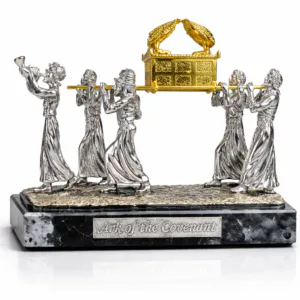
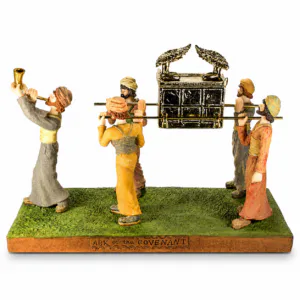
Religious ornaments, crosses, devotional keepsakes, and Holy Land-inspired gifts can carry personal significance.
However, the meaning of a gift comes from the intention behind it rather than its price.
Whether simple or elaborate, a thoughtful present can communicate appreciation, encouragement, and love.
Is the True Meaning of Christmas Lost in Modern Celebrations?
Christmas has become a major cultural and commercial holiday in many parts of the world.
Shopping, decorations, festive meals, and celebrations are now familiar parts of the season.
These traditions are not necessarily opposed to Christian faith. However, they can sometimes distract from the spiritual meaning of Christmas.
For believers, the challenge is to maintain a balance between enjoying seasonal traditions and remembering why Christmas is celebrated.
Taking time for prayer, gratitude, generosity, and reflection can help restore that balance.
Ultimately, the true meaning of Christmas is not determined by how much we spend or how elaborately we celebrate.
It is reflected in the faith, love, and kindness we share.
Keeping the True Meaning of Christmas Alive
The true meaning of Christmas is found in the birth of Jesus Christ and the message of hope, faith, and love that His arrival represents.
The biblical Christmas story reminds us of the humility of the manger, the faith of Mary and Joseph, and the joyful announcement of the Savior.
As we prepare for Christmas, may we remember that the most meaningful celebrations are those filled with gratitude, generosity, compassion, and love.
Whether through prayer, family traditions, charitable giving, or thoughtful gifts, we can carry the message of Christmas into our everyday lives.
Explore meaningful Christian gifts and Holy Land-inspired treasures at 3 Arches USA.
“Bringing a piece of the Holy Land to your home.”





Recent Comments