
Shofar Horn Meaning in the Bible Explained
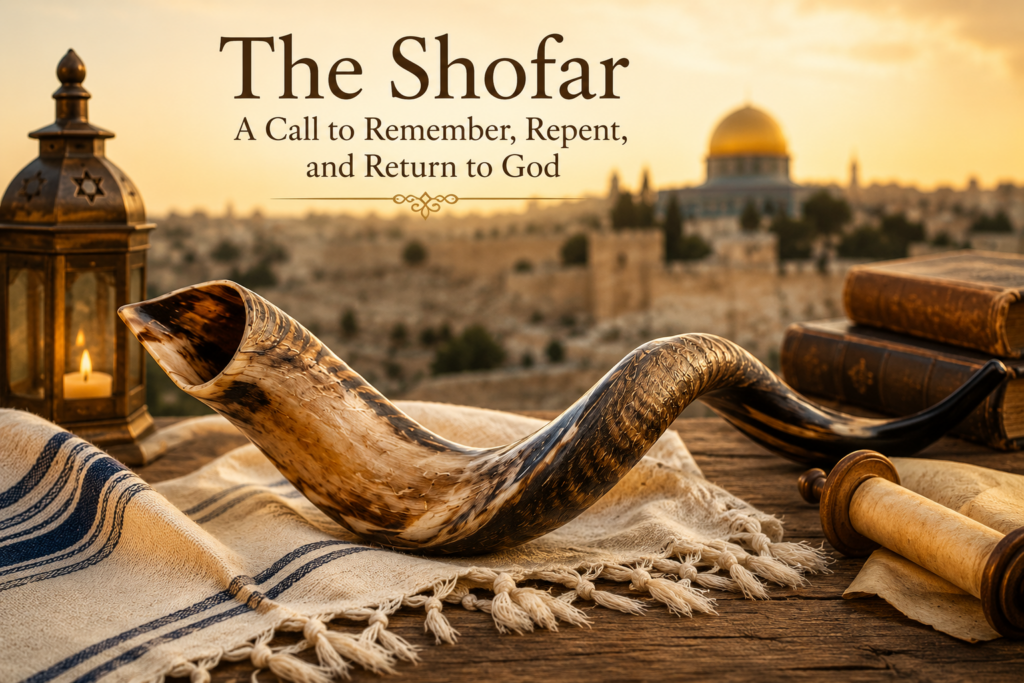
Few biblical sounds are as distinctive as the call of the shofar. Its powerful sound has carried through generations as a call to worship, gathering, repentance, and remembrance. Understanding the shofar horn meaning in the Bible reveals a symbol deeply connected to God’s covenant and His relationship with His people.
For Jewish communities, the shofar remains an important part of religious tradition, especially during Rosh Hashanah and Yom Kippur. Christians and Messianic believers may also look to its biblical symbolism as a reminder of God’s holiness, faithfulness, and promises.
What Is a Shofar?
A shofar is a horn traditionally made from a ram or another permitted animal. Unlike the silver trumpets described in Numbers, the shofar is made from a natural horn. Therefore, every shofar has its own shape, curve, and appearance.
Throughout Scripture, the sound of a horn appears during important moments. It could announce a gathering, warn the people, accompany worship, or signal battle.
Because of these different uses, the shofar does not have only one meaning. Instead, its biblical significance depends on the setting.
Shofar Horn Meaning in the Bible
The shofar horn meaning in the Bible includes several important themes. These include God’s presence, repentance, worship, gathering, deliverance, and hope.
Each biblical account helps reveal another part of its significance.
A Call to God’s Presence
One of the most powerful examples appears at Mount Sinai.
In Exodus 19, the Israelites gathered before the mountain as God prepared to reveal Himself. Thunder, lightning, cloud, and an increasingly loud trumpet sound accompanied this extraordinary moment.
The scene emphasizes holiness and reverence. The people were standing before the God who had delivered them from Egypt and established His covenant with them.
For believers today, this passage can serve as a reminder to approach God with humility and reverence.
A Call to Gather
Trumpets and horns were also associated with gathering people together.
Throughout biblical history, their sound could announce that something important required the attention of the community.
This provides another meaningful lesson. Faith may be deeply personal, but biblical worship also involves community. God’s people gathered together to worship, remember His works, and respond to His Word.
The shofar can therefore symbolize a call to come together before the Lord.
A Call to Repentance
The prophets also used trumpet imagery as a warning.
In Joel, the trumpet is sounded in Zion as the people are called to gather, fast, and return to God. The message is urgent, but it also contains hope because God calls His people back to Himself.
This connection helps explain why the shofar remains associated with repentance in Jewish tradition, particularly during the High Holy Days.
Its piercing sound interrupts ordinary life and encourages reflection.
For believers, the symbolism can inspire a simple question: Is there anything in my life that needs to be brought back into obedience to God?
The Shofar at Jericho
One of the best-known biblical accounts involving shofars occurs at Jericho.
In Joshua 6, God instructed the Israelites to march around the city. Priests carried horns as part of the procession. On the appointed day, the people shouted and the walls fell.
The important lesson is not that the horns themselves possessed power. Victory came from God.
The shofar was part of Israel’s obedience to His command. Therefore, the story points beyond the instrument toward God’s authority and faithfulness.
A Signal of Battle and Deliverance
Horns also appear in other biblical accounts involving conflict.
In Judges 7, Gideon and his small army sounded trumpets as God brought confusion upon the Midianite camp.
Again, the message is not that the instrument itself guaranteed victory. The account emphasizes dependence upon God rather than human strength.
For believers, this aspect of shofar symbolism can serve as a reminder that God remains sovereign even when circumstances appear overwhelming.
A Sound of Worship and Celebration
The shofar was not associated only with warning and battle. It also accompanied celebration and worship.
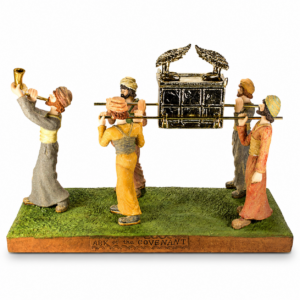
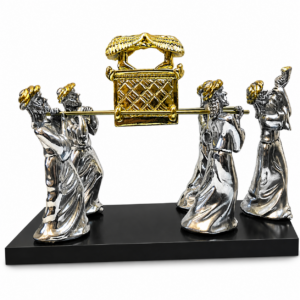
When the Ark of the Covenant was brought to Jerusalem, Israel celebrated before the Lord with joyful sounds. The shofar also appears in passages connected with kingship and praise.
The Psalms contain similar imagery. Psalm 47 connects trumpet sounds with joyful praise before God, while Psalm 98 calls the people to rejoice before the King.
In this setting, the horn becomes a sound of celebration.
It reminds believers that worship can include both quiet reverence and joyful praise.
The Shofar and Biblical Kingship
The shofar could also announce a king.
When Solomon was anointed king, the trumpet sounded and the people celebrated his kingship.
This association between the horn and kingship adds another layer to its biblical meaning. It can announce authority, victory, and the beginning of something significant.
For Christians and Messianic believers, these themes can also encourage reflection on God’s kingdom and the promised reign of Messiah.
A Symbol of Future Hope
Biblical trumpet imagery also looks toward the future.
Isaiah describes a great trumpet associated with restoration and the gathering of God’s people. The New Testament continues trumpet imagery in passages concerning resurrection and the return of Christ.
First Corinthians 15 refers to the last trumpet in connection with resurrection. First Thessalonians 4 also describes the return of the Lord with the trumpet of God.
Christians hold different interpretations of prophetic details. However, these passages share an important message of hope: God will complete His redemptive purposes.
Therefore, the shofar can also remind believers to live faithfully and expectantly.
The Shofar in Jewish Tradition
The shofar remains a living part of Jewish worship and should be understood with respect for that tradition.
It is especially associated with Rosh Hashanah and the season leading toward Yom Kippur. Its sound calls worshipers toward reflection, repentance, and spiritual renewal.
Christians who appreciate the shofar’s biblical symbolism can benefit from understanding this continuing Jewish context.
Doing so helps preserve the rich heritage behind the instrument rather than treating it simply as a decorative biblical object.
Using a Shofar With Reverence
Today, a shofar may be used in worship, displayed in a home or prayer space, or given as a meaningful biblical gift.
However it is used, its significance comes from what it represents rather than from the object itself.
A shofar is not a guarantee of blessing or spiritual power. Instead, it can serve as a reminder of God’s holiness, His covenant faithfulness, His call to repentance, and His promises.
Natural shofars also vary considerably. Their length, curve, coloring, and tone are part of their individual character because they are made from natural horn.
A Lasting Biblical Symbol
The shofar horn meaning in the Bible brings together worship, repentance, gathering, warning, deliverance, kingship, and hope.
From Mount Sinai to Jericho and from the Psalms to prophetic passages, its sound appears during moments when God’s people are called to listen and respond.
That is why the shofar continues to hold such powerful biblical significance. It reminds believers to worship with reverence, remember God’s faithfulness, and remain attentive to His call.
Explore our authentic Holy Land shofars and discover a meaningful reminder of biblical heritage, worship, repentance, and hope at 3 Arches USA.
“Bringing a piece of the Holy Land to your home.”
Yemenite Shofar from Israel – Authentic Kudu Horn Shofar, Handcrafted in Israel, Available in Sizes

Recent Comments