
What Gifts Did the Wise Men Bring to Jesus and Why?
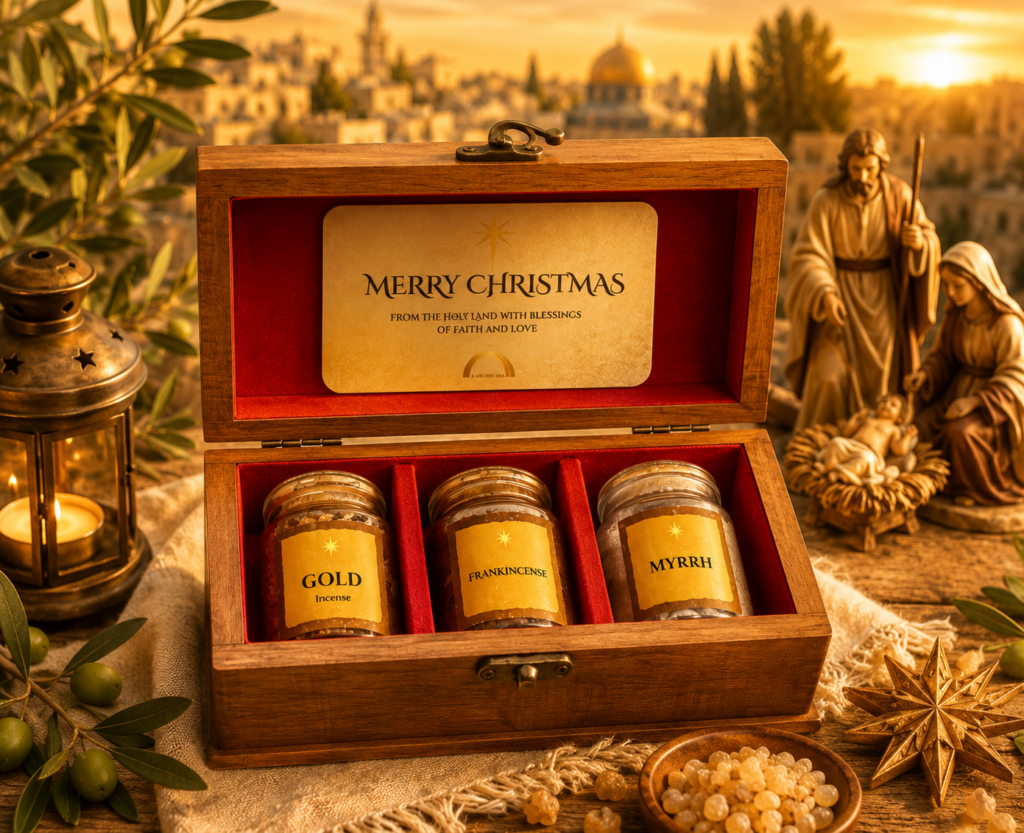
The gifts of the Magi were not ordinary presents for a newborn child. When readers ask, What Gifts Did the Wise Men Bring to Jesus and Why?, the answer opens a rich picture of Christ’s identity, mission, and the worship due to Him. Gold, frankincense, and myrrh each carried real value in the ancient world, but Christians have also recognized in them a lasting testimony to Jesus as King, God with us, and the Savior who would suffer for His people.
Matthew 2:11 records that the wise men entered the house, saw the Child with Mary His mother, fell down in worship, and opened their treasures. The passage names three gifts, though it does not say there were exactly three wise men. The familiar tradition of three Magi grew naturally from the number of offerings.
What Gifts Did the Wise Men Bring to Jesus?
The wise men brought gold, frankincense, and myrrh. These were costly, portable treasures suitable for honoring a ruler. Their journey from the East was not a casual visit. They had seen His star, sought the one born King of the Jews, and came prepared to offer gifts that reflected both reverence and royal honor.
Gold: A Gift for a King
Gold was a fitting gift for royalty. It was precious, durable, and widely recognized as a sign of wealth, honor, and authority. By bringing gold to Jesus, the Magi acknowledged that this Child was no ordinary infant. He was the promised King.
For believers, gold points to Christ’s kingship. Jesus did not come merely to offer wise teaching or become a respected religious figure. He came as the rightful King, the Son of David, whose kingdom will not end. In a Nativity scene, the presence of gold reminds us that the manger held the One worthy of every crown.
Frankincense: A Gift of Worship
Frankincense is an aromatic resin gathered from certain trees and used as incense. In biblical worship, incense was associated with prayer, offerings, and the sacred service of God. Its fragrance rising upward made it a meaningful expression of reverence.
The gift of frankincense is traditionally understood as a witness to Jesus’ divinity and priestly role. The Magi worshiped Him, and their offering reflected the honor given to God. Christians also see a connection to Jesus as our great High Priest, the One who brings us near to the Father.
Frankincense should not be treated as a magical object. Its meaning rests in the worship and biblical associations it represents. Still, a carefully chosen incense themed gift, Nativity display, or Holy Land-inspired keepsake can help families remember that prayer and worship belong at the center of the Christmas story.
Myrrh: A Gift That Points to Sacrifice
Myrrh is another fragrant resin, valued in the ancient world for perfume, anointing, and burial preparations. It was expensive and useful, but its connection with burial gives this gift a solemn depth.
Traditionally, myrrh points ahead to Jesus’ suffering and death. The One honored by the wise men would one day give Himself for the salvation of the world. Myrrh appears again in the Gospel accounts surrounding Christ’s crucifixion and burial, making it a powerful reminder that the shadow of the cross stands even over the Nativity story.
That symbolism does not diminish the joy of Christ’s birth. It makes that joy deeper. Jesus came into the world with a purpose: to redeem, restore, and reconcile people to God.
Why These Gifts Still Matter to Believers
The Bible does not provide a direct explanation of every gift’s symbolism, so believers should distinguish between what Scripture plainly says and the traditional meanings Christians have faithfully reflected on for centuries. Scripture clearly names the gifts and shows the Magi worshiping Jesus. The royal, priestly, and sacrificial meanings are longstanding interpretations that fit the wider biblical story.
Together, the offerings proclaim a beautiful truth: Jesus is King, worthy of worship, and the Savior who gave His life for us. They also show that worship involves more than words. The Magi gave their attention, their travel, their treasure, and their hearts.
For families, churches, and gift givers, these three treasures offer a meaningful way to teach the Nativity beyond the familiar figures around the manger. A detailed 3 wisemen set, a gold-toned Christian keepsake, or a gift connected to prayer and anointing can become a gentle prompt to share the Gospel story during Christmas and throughout the year.
At 3 Arches USA, Holy Land-inspired religious gifts and Bethlehem made pieces can help make that story tangible in the home. Whether displayed during Advent or given to someone beginning a new season of faith, the gifts of the Magi invite us to respond as they did: with reverence, worship, and our best offered to Christ.

Recent Comments