
What Is a Messianic Prayer Shawl? Meaning, Symbols and Biblical Roots
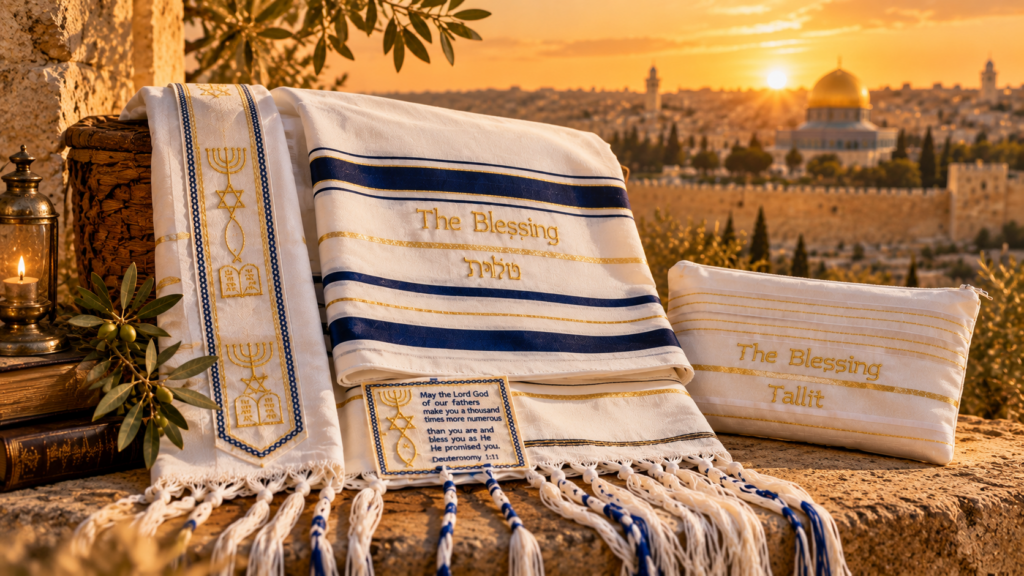
A Messianic prayer shawl is a tallit used by many Messianic believers and some Christians during prayer and worship. It connects prayer with the Jewish and biblical roots of the Christian faith.
These shawls often feature fringes, Hebrew writing, biblical verses, and meaningful symbols. Each detail can help tell a story about Scripture, remembrance, and faith.
But what makes a Messianic prayer shawl different from a traditional Jewish tallit? What do the symbols mean? And where does the tradition come from?
Understanding its biblical roots can help us appreciate the meaning behind the tallit.
What Is a Messianic Prayer Shawl?
A Messianic prayer shawl is inspired by the traditional Jewish tallit, a garment worn during prayer.
One of its most important features is the fringes, known as tzitzit.
In Numbers 15:38–40, God instructed the Israelites to place tassels on the corners of their garments. The tassels were meant to remind them of His commandments.
Therefore, the fringes were not simply decoration. They served as a visible reminder to remember God’s Word and remain faithful to Him.
Over time, the tallit developed within Jewish tradition. Today, it continues to be an important part of Jewish religious practice.
Messianic prayer shawls draw from this heritage. However, they may also include symbols and verses that reflect belief in Yeshua, or Jesus, as the Messiah.
What Makes a Messianic Tallit Different?
A Messianic tallit and a traditional Jewish tallit may look similar at first.
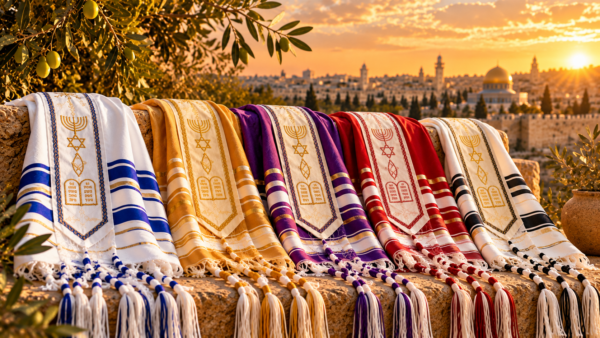
Both can include stripes, fringes, Hebrew writing, and four corners.
However, a Messianic prayer shawl may contain additional Christian or Messianic symbols.
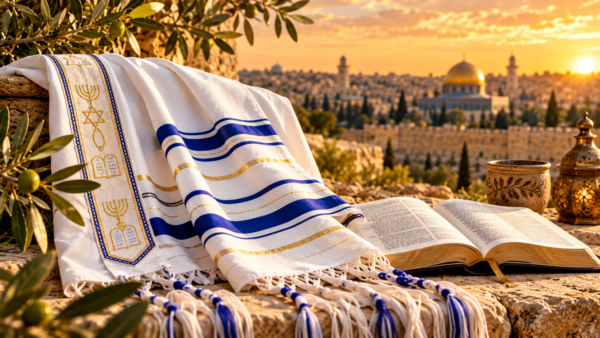
For example, designs may include the Star of David, menorah, Lion of Judah, Ten Commandments, or Messianic symbols. Some also feature Scripture or references to Yeshua.
As a result, the shawl brings together elements of biblical and Jewish heritage with Messianic faith.
What Do the Fringes Mean?
The fringes are one of the most meaningful features of a tallit.
As described in Numbers 15, the Israelites were instructed to look at the tassels and remember God’s commandments.
Therefore, the tzitzit served a practical spiritual purpose. They reminded God’s people to keep His Word close to their hearts.
For Messianic believers today, the fringes can also represent remembrance, obedience, and devotion to God.
They are a reminder that faith should extend beyond a worship service. Instead, God’s Word should influence everyday life.
Why Is Hebrew Used on Prayer Shawls?
Many Messianic prayer shawls contain Hebrew writing.
This reflects the Jewish and biblical heritage of the tallit. Hebrew is also the language of much of the Old Testament.
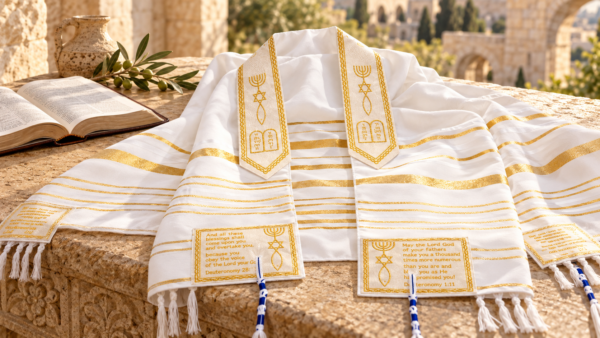
One common feature is the atarah. This is the decorative band found near the neckline of many prayer shawls.
An atarah may contain a Hebrew blessing. Other designs may feature Scripture or wording connected with Messianic faith.
For this reason, it is helpful to understand the translation before choosing a shawl.
The Hebrew should carry meaning rather than simply serve as decoration.
What Do the Symbols on a Messianic Prayer Shawl Mean?
Different prayer shawls feature different biblical symbols.
The Star of David is strongly associated with Jewish identity and heritage.
The menorah is one of the best-known biblical symbols connected with Israel and worship.
Another common image is the Lion of Judah. This symbol comes from the tribe of Judah. Christians also connect it with Jesus through Revelation 5:5, where He is called the Lion of the tribe of Judah.
Some tallits include the Ten Commandments as a reminder of God’s Word.
Others combine several symbols to represent connections between the Old and New Testaments.
However, there is no single design required for a Messianic tallit.
The meaning comes from the biblical message represented by each symbol.
Did Jesus Wear a Prayer Shawl?
The Gospels describe Jesus wearing a garment with fringes or tassels.
One familiar example appears in Matthew 9. A woman who had suffered from bleeding reached out and touched the edge of Jesus’ garment.
The wording used in Gospel passages like this can refer to a fringe or tassel. Therefore, it is often connected with the biblical command concerning tzitzit.
However, the Bible does not give us a detailed description of Jesus’ garment.
For that reason, we cannot say that it looked exactly like a modern tallit.
Still, the connection is meaningful. Jesus lived as a Jewish man in first-century Israel. The biblical tradition of fringed garments was part of that world.
Do Christians Have to Wear a Prayer Shawl?
No. Christians are not required to wear a prayer shawl in order to pray.
The New Testament does not teach that wearing a tallit is necessary for salvation or worship.
However, some Christians choose to use a Messianic prayer shawl during personal prayer or Bible study.
For them, the shawl can serve as a devotional aid. It may help create a quiet space for prayer and provide a physical reminder of Scripture.
The garment itself does not contain spiritual power.
Instead, faith and prayer remain directed toward God.
How Is a Messianic Prayer Shawl Used?
Messianic prayer shawls are used in different ways.
Some believers wear them during personal prayer or Scripture reading. Others use them during Messianic worship or biblical feast celebrations.
A tallit may also be gently placed around the shoulders during prayer.
For some people, this creates a more focused space for devotion. It can help reduce distractions and encourage quiet reflection.
However, there is no need to make the practice complicated.
The purpose is simply to encourage prayer, remembrance, and reflection on God’s Word.
How Do You Choose a Messianic Prayer Shawl?
When choosing a Messianic prayer shawl, begin with its meaning.
First, look at the Hebrew writing and understand what it says.
Next, consider the biblical symbols included in the design. Think about which Scriptures or messages are most meaningful to you.
Size is another consideration.
Some people prefer a larger tallit that can wrap comfortably around the shoulders. Others prefer a smaller and lighter prayer shawl.
Color and design are personal choices as well.
Most importantly, choose a tallit that reflects the biblical message you want to remember during prayer.
At 3 Arches USA, our exclusive copyrighted Blessing Tallit and Holy Promise Tallit designs feature meaningful biblical symbolism. They are available in several colors for prayer, worship, and meaningful faith-based gifts.
A Meaningful Reminder of God’s Word
A Messianic prayer shawl brings together biblical heritage, Jewish tradition, and Messianic faith.
Its fringes recall the biblical instruction to remember God’s commandments. Hebrew writing connects the shawl with the language and heritage of Scripture. Meanwhile, its symbols can point toward important biblical truths.
Yet the greatest meaning is not found in the fabric itself.
Instead, the shawl can remind believers of God’s Word, His promises, and the importance of prayer.
For those who appreciate the Jewish roots of the Christian faith, a Messianic tallit can become a meaningful part of prayer and personal devotion.
Explore our exclusive Messianic prayer shawls and meaningful Holy Land gifts at 3 Arches USA.
“Bringing a piece of the Holy Land to your home.”

Recent Comments