
Widow’s Mites and the Widow’s Offering

Few moments in Scripture cut through appearances like the story of the Widow’s Mites. In just a few verses, Jesus turns our attention away from the size of a gift and toward the heart behind it.
What looked small in the Temple treasury became one of the Bible’s clearest pictures of trust, surrender, and true worship.
The account appears in Mark 12:41–44 and Luke 21:1–4. Jesus watches people placing money into the treasury. Many wealthy people give large sums. Then a poor widow comes and places two small copper coins into the offering.
Her gift was easy for others to overlook, but Jesus noticed it.
He tells His disciples that the widow gave more than all the others. Jesus was revealing a deeper measure of generosity. The wealthy gave from their abundance, while the widow gave from her poverty.
What Do Widow’s Mites Represent?
Widow’s Mites have become a lasting symbol of Christian faith because they represent more than money. They point toward wholehearted devotion, sacrifice, and trust in God.
The widow did not simply give what was convenient. Her offering represented a genuine sacrifice, and God saw the heart behind it.
This passage still speaks powerfully to believers today. Many people quietly wonder whether their prayer, service, or gift matters when it seems small compared with what others can offer.
The widow’s story reminds us that God does not evaluate devotion according to human standards. A modest offering, simple act of mercy, or faithful gift given sincerely can carry deep spiritual meaning.
However, this story should not glorify poverty or pressure people to give beyond wisdom. Its central message is not financial guilt. Rather, it reveals trust, devotion, and wholehearted faith in God.
The Widow’s Offering and Sacrificial Faith
The widow’s offering brings together two realities that can be difficult to live out: faith and sacrifice.
Faith trusts that God sees and provides. Sacrifice means honoring Him even when the cost feels real.
Her two coins held little monetary value. Yet her offering revealed something precious about her heart and her trust in God.
In a world that often celebrates visible strength and abundance, this widow demonstrates the quiet strength of dependence on the Lord.
Her story also reminds believers that worship is not measured only by public displays. Faithfulness can appear in a prayer whispered privately, a gift offered with love, an act of kindness, or a simple moment of obedience.
Why the Widow’s Mites Still Matter Today
Modern life often trains us to notice size, price, status, and visibility. Scripture frequently directs our attention somewhere else.
The Widow’s Mites challenge the idea that only impressive acts matter. Jesus noticed and honored what others may have overlooked.
This truth can encourage believers who feel that what they have to offer is small. Not everyone has the same resources, influence, abilities, or season of life. However, every believer can offer something with a willing heart.
Time, prayer, encouragement, generosity, service, and worship can all become meaningful when offered to God sincerely.
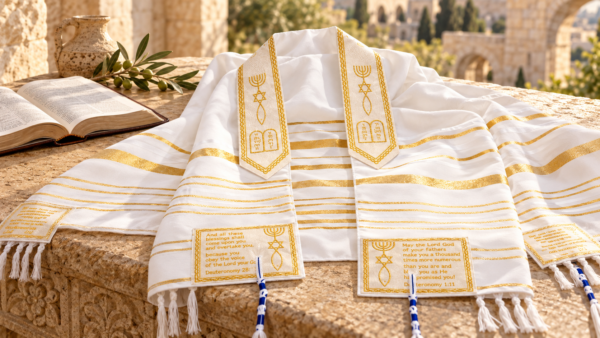
For many Christians and Messianic believers, visible reminders of biblical faith can help keep these truths close.
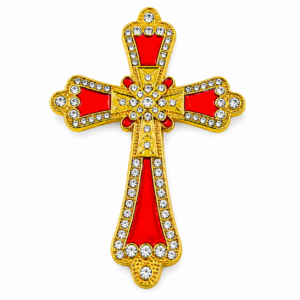
A cross, olive wood keepsake, prayer item, or Holy Land gift cannot replace faith or obedience. Instead, it can serve as a reminder of Scripture and the biblical truths we want to carry into everyday life.
Widow’s Mites as a Biblical Keepsake
Because of their connection to this Gospel account, Widow’s Mites have also become meaningful biblical keepsakes.
For someone who appreciates biblical history, a Widow’s Mite can serve as a tangible reminder of the widow whose small offering carried such profound meaning.
Its value as a faith-inspired keepsake does not come from the monetary worth of the coin. Rather, its significance comes from the biblical story it represents.
It can remind believers that God sees acts of faithfulness others may overlook and that genuine devotion cannot always be measured by outward appearances.
A Lesson in Giving From the Heart
The widow was not trying to attract attention. She simply gave.
That may be one of the most powerful aspects of the story. Her act of worship did not depend on recognition from others. Jesus saw her faithfulness and used it to teach His disciples a lesson that believers still read today.
The story encourages anyone who sometimes feels unseen in their faithfulness. God sees the quiet prayer, the generous act performed without recognition, and the devotion that receives no public applause.
The Widow’s Mites remind us that what matters is not simply the size of what we offer but the heart with which we offer it.
When reflecting on the widow’s offering, the deeper question is not only, “How much did she give?” It is also, “What did her giving reveal?”
Her offering revealed trust, devotion, and sacrifice.
That remains a meaningful lesson for every believer who desires a faith expressed not only through words but also through sincere action.
For those who appreciate biblical history and meaningful reminders of faith, explore our authentic Widow’s Mites and Holy Land gifts at 3 Arches USA.
“Bringing a piece of the Holy Land to your home.”



Recent Comments