
What Is Myrrh Used For in Biblical Tradition?
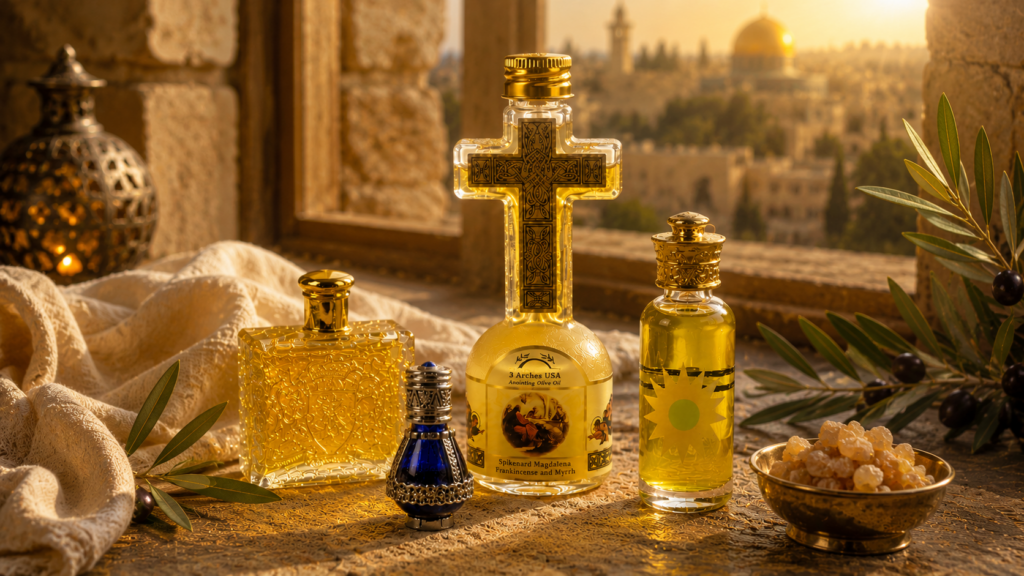
Myrrh uses in the Bible include anointing, fragrance, worship, and burial. This ancient resin also has a special connection to Jesus. Because of this, myrrh remains meaningful to many Christians today.
Myrrh has been valued for thousands of years. Its warm, earthy fragrance made it precious in the ancient world. More importantly, its place in Scripture gives it lasting spiritual meaning.
What Is Myrrh?
Myrrh is a natural resin. It comes from trees in the Commiphora family. When the bark is cut, sap comes out and slowly hardens into fragrant pieces.
In ancient times, myrrh was widely traded. People used it in perfumes, oils, incense, and burial preparations. Since it was valuable, it was also used for important religious and royal occasions.
Myrrh Uses in the Bible
The Bible mentions myrrh several times.
In Exodus 30, myrrh was an ingredient in the sacred anointing oil. This oil was used to consecrate the tabernacle and its furnishings. It was also connected with those appointed for sacred service.
Myrrh appears in the Song of Solomon as well. There, it is associated with beauty, love, and precious fragrance.
The Book of Esther also mentions oil of myrrh. Esther received beauty treatments that included myrrh before she appeared before the king.
Therefore, myrrh had several important uses in biblical times. It was connected with anointing, fragrance, preparation, and honor.
Why Did the Wise Men Bring Myrrh?
One of the best-known references to myrrh appears in the Gospel of Matthew. The Wise Men brought Jesus three precious gifts: gold, frankincense, and myrrh.
Christians have traditionally connected these gifts with the life and mission of Jesus. Gold is often associated with kingship. Frankincense is linked with worship. Myrrh is commonly associated with suffering and burial.
The Bible does not directly explain what each gift symbolized. However, myrrh appears again later in the Gospel story.
At the crucifixion, Jesus was offered wine mixed with myrrh. Later, Nicodemus brought myrrh and aloes for the burial of Jesus.
As a result, myrrh has become a powerful reminder of Christ’s sacrifice.
Myrrh for Prayer and Worship
Some believers use biblical fragrances during prayer. Myrrh is especially meaningful because of its connection to Scripture.
For example, myrrh resin may be burned as incense. Its rich fragrance can help create a peaceful setting for prayer and reflection.
However, fragrance does not make prayer more powerful. Instead, it can simply serve as a reminder to focus on God.
Safety is also important. Always use a suitable heat-safe burner when burning resin. In addition, keep the room ventilated and never leave burning incense unattended.
Myrrh Anointing Oil
Another common use for myrrh today is anointing oil.
Some Christians use anointing oil during prayer, family blessings, or ministry. Others keep a small bottle near their Bible or prayer space.
Modern myrrh anointing oils are generally inspired by biblical fragrances. However, they should not be confused with the sacred anointing oil described in Exodus. That oil had a specific purpose in biblical worship.
Today, myrrh oil can serve as a devotional reminder of Scripture and prayer. Always follow the product instructions before applying an oil to the skin.
What Does Myrrh Symbolize?
Myrrh carries several meanings in the Bible.
First, it can represent honor because it was valuable. Second, it is connected with consecration through the sacred anointing oil. Finally, Christians often associate it with sacrifice because of its connection to Jesus.
For these reasons, myrrh is especially meaningful during Christmas and Holy Week. It can also be used during personal prayer and reflection throughout the year.
Myrrh and Frankincense
Myrrh and frankincense are often mentioned together. However, they are different resins.
Both have long histories in the biblical world. Yet they come from different trees and have different fragrances.
Frankincense is strongly associated with incense and worship. Myrrh has associations with anointing, fragrance, sacrifice, and burial.
Together, they are also remembered as two of the gifts brought to Jesus by the Wise Men.
Myrrh as a Christian Gift
Myrrh can also make a meaningful Christian gift.
For example, myrrh anointing oil or incense can be given for Christmas, ministry appreciation, prayer groups, or other faith-centered occasions.
Before buying, check the type of product carefully. Myrrh resin, fragrance oil, essential oil, and anointing oil can have different uses.
A thoughtful choice can become a lasting reminder of Scripture and faith.
Why Myrrh Still Matters
Myrrh has been treasured for thousands of years. However, its greatest importance for Christians comes from its place in the Bible.
It appears in sacred anointing. The Wise Men presented it to Jesus. Later, it appears again in connection with His crucifixion and burial.
Therefore, myrrh carries meaning far beyond its fragrance. It reminds believers of honor, worship, sacrifice, and devotion to God.
For those seeking meaningful biblical gifts inspired by faith and the heritage of the Holy Land, explore our collection at 3 Arches USA.
https://3archesusa.com/product-category/anointing-oils/
”Bringing a piece of the Holy Land to your home.”

Recent Comments