
What Is the Tree of Life in the Bible? Meaning and Symbolism
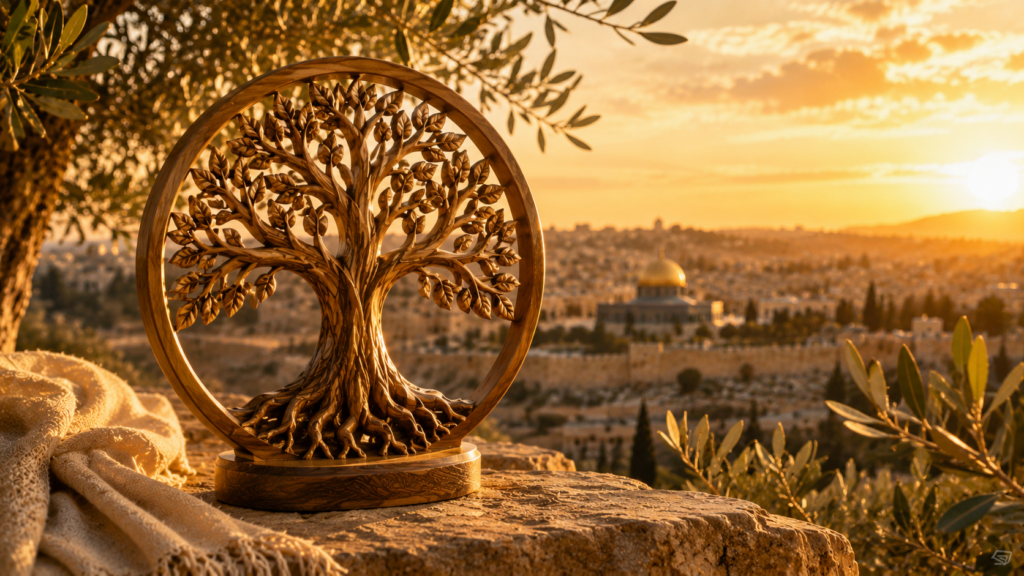
he Tree of Life is one of the most meaningful symbols found in Scripture. It appears at the beginning of the Bible in the Garden of Eden and returns near the end of Revelation. Between those two moments, its imagery is connected with life, wisdom, blessing, and the hope of restoration.
Understanding the Tree of Life in the Bible reveals a beautiful theme that runs throughout Scripture. Humanity loses access to the tree after the fall, yet Revelation ends with the Tree of Life appearing again in the restored creation.
Where Does the Tree of Life First Appear?
The Tree of Life first appears in Genesis 2:9. God places it in the Garden of Eden along with the Tree of the Knowledge of Good and Evil.
Adam and Eve were originally able to live in the garden and enjoy God’s provision. However, after they disobeyed God, they were sent out of Eden.
Genesis 3 explains that access to the Tree of Life was then guarded. Humanity could no longer reach out and eat from it.
This makes the Tree of Life closely connected with the consequences of the fall. What began as a picture of life in God’s presence became something humanity could no longer freely access.
What Does the Tree of Life Symbolize?
The Tree of Life represents several important biblical themes.
First, it points to life that comes from God. Life in Eden was not independent of the Creator. Everything Adam and Eve enjoyed came from His provision.
The tree can also remind believers of God’s presence and blessing. Eden was a place where humanity lived in fellowship with God before sin brought separation.
Finally, the Tree of Life becomes a powerful symbol of restoration and eternal hope. Its reappearance in Revelation shows that the biblical story does not end with humanity outside the garden.
It ends with God restoring what was lost.
The Tree of Life and Wisdom
The phrase “tree of life” also appears several times in the book of Proverbs.
In Proverbs 3:18, wisdom is described as a tree of life to those who embrace her. Other passages use the same imagery when speaking about righteous fruit, fulfilled desire, and life-giving words.
These verses expand the symbolism.
The Tree of Life is not presented only as an ancient tree in Eden. Its imagery also becomes a way of describing things that bring spiritual nourishment, wisdom, and blessing.
For believers today, this is a reminder that God’s wisdom leads toward life. Scripture encourages us to seek wisdom rather than simply following what seems right in the moment.
The Tree of Life in Revelation
The Tree of Life appears again in the final book of the Bible.
In Revelation 2:7, Christ promises access to the Tree of Life to those who overcome. Later, Revelation 22 describes the tree in the New Jerusalem.
The image is striking because it brings the biblical story full circle.
Genesis begins with humanity in a garden where the Tree of Life is present. Sin leads to separation and lost access. Revelation ends with God’s people once again enjoying life in His presence.
The tree therefore becomes a beautiful picture of restoration.
What humanity could not recover on its own is restored through God’s redemptive work.
The Tree of Life and Eternal Hope
For Christians, the Tree of Life carries a strong message of hope.
The Bible does not end with the brokenness introduced in Genesis. It ends with renewal, restoration, and fellowship with God.
This makes the Tree of Life especially meaningful as a Christian symbol. It can remind believers that suffering, separation, and death do not have the final word.
God’s plan ultimately points toward life.
The image also encourages believers to look beyond present circumstances. Just as Scripture moves from Eden to restoration, Christian hope looks forward to the fulfillment of God’s promises.
Why the Tree of Life Is Popular in Christian Art
The Tree of Life appears frequently in Christian and biblical artwork, jewelry, wall décor, and devotional gifts.
Its branches and roots naturally create a beautiful image, but its biblical meaning gives the design greater significance.
For some believers, the roots represent being grounded in faith. The branches may suggest growth and fruitfulness. A flourishing tree can also serve as a reminder of spiritual life and God’s provision.
These interpretations can be meaningful, although they should be understood as devotional symbolism rather than direct definitions given to every part of the tree in Scripture.
The biblical foundation remains its connection with life, God’s presence, wisdom, and restoration.
A Meaningful Symbol for the Christian Home
A Tree of Life design can be especially meaningful in a prayer room, family room, Bible study space, or another area of the home where faith is remembered and shared.
It can also make a thoughtful religious gift for weddings, housewarmings, anniversaries, birthdays, or other important occasions.
For families who appreciate biblical and Holy Land-inspired symbols, the Tree of Life offers something particularly beautiful. It connects the first chapters of Genesis with the final chapters of Revelation.
That makes it both a symbol of where the biblical story began and a reminder of where God’s promises ultimately lead.
A Symbol of Life, Wisdom and Restoration
The Tree of Life in the Bible carries a message that stretches from Genesis to Revelation.
It begins in Eden as part of God’s perfect creation. Its imagery later appears in Proverbs as a picture of wisdom and blessing. Finally, it returns in Revelation as part of the restored creation and the hope of eternal life.
For believers, the Tree of Life can therefore serve as a lasting reminder of God’s provision, His wisdom, and His promise to restore what was lost.
Whether encountered while reading Scripture or displayed as a meaningful biblical symbol, it points toward one central truth: true life comes from God.
Explore meaningful biblical gifts and Holy Land-inspired treasures at 3 Arches USA, thoughtfully selected to bring the symbols and stories of Scripture into everyday life.
“Bringing a piece of the Holy Land to your home.”


Recent Comments