
How to Choose Anointing Oil Wisely
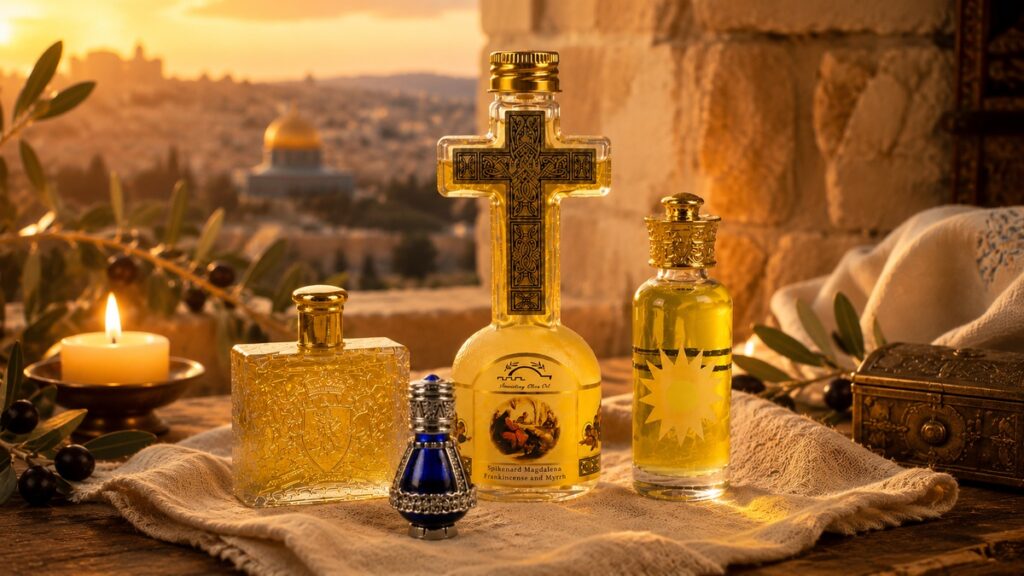
A small bottle of anointing oil can carry deep meaning. If you are wondering how to choose anointing oil, the right place to start is not with fragrance alone, but with purpose. The best choice is the one that fits your prayer life, honors biblical tradition, and feels appropriate for the moment you are marking, whether that is personal devotion, church ministry, or a meaningful gift.
Anointing oil is not just another scented item on a shelf. For many believers, it represents consecration, prayer, blessing, remembrance, and a tangible connection to Scripture. That is why choosing carefully matters. The bottle, the ingredients, the scent, and even the place of origin can all shape how meaningful the oil feels in everyday worship.
How to Choose Anointing Oil for Your Purpose
The first question is simple: what will the oil be used for? That answer changes everything.
If you want an anointing oil for private prayer, you may prefer a smaller bottle that is easy to keep with your Bible, prayer journal, or bedside devotional items. In that setting, scent often matters because you will encounter it regularly. A fragrance that feels peaceful and prayerful to you can make private worship more focused and personal.
If the oil is for church use, ministry, or group prayer, practicality matters more. A larger bottle may be the better choice, especially when several people will use it over time. In that case, many buyers look for a scent that feels respectful and broadly appealing, rather than something highly sweet or unusual.
If you are buying as a gift, presentation becomes part of the decision. A gift-ready bottle with a decorative label, biblical symbolism, or Holy Land connection can make the oil feel more thoughtful and memorable. For baptisms, ordinations, prayer gatherings, house blessings, and holiday gifting, the right anointing oil often speaks through both meaning and appearance.
Start With Biblical Meaning, Not Just Fragrance
Many shoppers naturally begin by asking which scent smells best. That is understandable, but fragrance is only one part of the choice.
In Scripture, oil is connected with blessing, healing, consecration, hospitality, and the presence of God. Because of that, many believers prefer oils that reflect biblical ingredients or Holy Land associations. Olive oil is especially significant because of its long-standing biblical use and its strong connection to the land of Israel.
Some anointing oils are also blended with fragrances associated with biblical imagery, such as frankincense, myrrh, spikenard, rose of Sharon, lily of the valley, cedar, or pomegranate-inspired notes. These names can carry devotional significance, but they also create different experiences. Frankincense and myrrh often feel rich, traditional, and solemn. Floral scents may feel lighter and gentler. Spiced or wood-based blends can feel warm and grounded.
There is no single correct choice here. The better question is whether the scent supports the spiritual atmosphere you want to create.
What to Look for in the Ingredients
When deciding how to choose anointing oil, ingredients deserve a close look. Not every bottle is made the same way, and the base of the oil matters.
Olive oil is often the most meaningful choice because of its biblical heritage. For many faith-driven buyers, it feels closer to the land, language, and tradition of Scripture than synthetic or heavily processed bases. If Holy Land authenticity is important to you, the source of the oil may matter almost as much as the scent itself.
It is also wise to pay attention to how heavily perfumed the oil is. Some people want a strong fragrance that lingers, while others prefer a lighter aroma that does not overpower a prayer setting. If the oil will be used around children, older adults, or in close church gatherings, a gentler scent may be the better fit.
The trade-off is straightforward. Stronger fragrance can feel more ceremonial, but lighter fragrance is often easier for everyday use. Neither is better in every situation.
How to Choose Anointing Oil by Scent
Scent is personal, and that is why this step can take a little discernment.
If you are drawn to traditional and solemn worship settings, frankincense and myrrh are often natural choices. These scents are deeply associated with biblical history and can feel especially fitting during prayer, Christmas devotionals, or reflective spiritual seasons.
If you want something softer for daily prayer, floral options may feel more welcoming. Rose-inspired or lily-inspired blends often appeal to gift buyers and those who prefer a gentle fragrance that still feels sacred.
If your preference leans earthy or warm, cedar, spikenard, and similar blends can offer a more grounded feel. These scents are often chosen by believers who want something less sweet and more connected to ancient worship imagery.
If possible, think about the recipient as much as the symbolism. A biblically named fragrance may sound meaningful, but it still needs to be something the person will actually want to use. The most spiritually significant gift is often the one that suits the person receiving it.
Size, Bottle Style, and Everyday Use
It is easy to overlook size, but it affects convenience more than many people expect.
A small bottle is often best for personal devotion, travel, purse or pocket carry, and gift-giving. It is simple, practical, and easy to keep nearby during prayer. A larger bottle may offer better value if the oil will be used regularly by a family, church group, or ministry team.
Bottle design matters too. Some buyers prefer a simple, functional bottle for frequent use. Others want a more decorative presentation, especially when buying for a holiday, special occasion, or blessing gift. A bottle that looks meaningful can add to the sense of reverence, but ease of use still matters. If the opening makes it hard to apply only a small amount, the design may be less practical than it appears.
Holy Land Origin and Why It Matters
For many believers, anointing oil carries even more meaning when it comes from the Holy Land or is inspired by Bethlehem and biblical tradition. That does not make every other option meaningless, but origin can deepen the devotional connection.
An oil associated with the Holy Land often feels less like a generic religious item and more like a keepsake of faith. It reflects place, memory, and sacred heritage. For gift buyers especially, this can make the bottle feel more intentional and spiritually rich.
This is one reason many shoppers seek authentic religious products from the Holy Land and Bethlehem rather than choosing the first bottle they see. The difference is not only in the label. It is in the story the item carries into prayer, worship, and giving.
How to Choose Anointing Oil for Gifting
When the oil is meant as a gift, think about the occasion first. A baptism gift may call for something elegant and gentle. A pastor appreciation gift may feel more fitting with a traditional biblical fragrance. A holiday or Christmas gift may naturally pair with frankincense and myrrh because of their strong scriptural associations.
It also helps to consider how familiar the recipient is with anointing oil. Someone new to this practice may appreciate a classic, accessible scent and a bottle that feels easy to understand and use. A more experienced believer may value stronger symbolism, specific biblical fragrances, or Holy Land origin.
Gift buyers often do best when they balance beauty with meaning. The bottle should feel special, but the spiritual purpose should still come first.
A Few Practical Buying Questions to Ask
Before you add a bottle to cart, pause and ask a few honest questions. Is this for personal prayer, ministry, or gifting? Do you want a traditional biblical scent or something softer for daily use? Would a smaller bottle be enough, or do you need a larger size for regular church use? Does Holy Land origin matter to you? And does the presentation match the importance of the occasion?
Those questions usually narrow the choice quickly.
For many faith-centered shoppers, the best anointing oil is not the most expensive or the most ornate. It is the one that aligns with Scripture, suits the setting, and feels reverent in the hand. At 3 Arches USA, that kind of meaningful choice matters because sacred products are not only purchased – they are brought into prayer, blessing, remembrance, and the daily life of faith.
Choose with care, and let the oil you select support the prayer it was meant to serve.
For those seeking authentic anointing oils inspired by Scripture, prayer, and the rich heritage of the Holy Land, explore our collection of anointing oils at 3 Arches USA.
Spikenard Anointing Oil In Blue Cobalt Glass Vial 0.24fl.oz/7ml

Recent Comments