
Holy Land Products Buying Guide
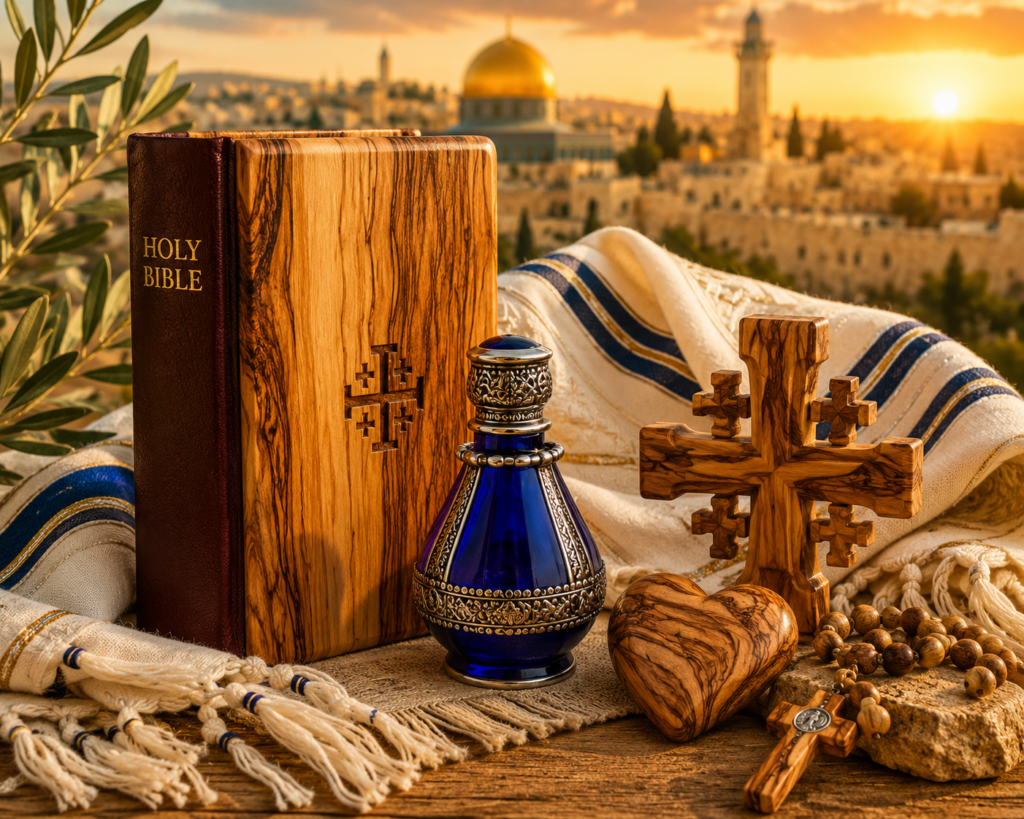
Choosing a religious gift should be about more than appearance. A good Holy Land products buying guide can help you find items that carry biblical meaning, suit their intended purpose, and feel right for the person receiving them.
Prayer shawls, olive wood crosses, anointing oils, rosaries, jewelry, and communion pieces all serve different purposes. Therefore, knowing what to look for can make choosing much easier.
How to Use This Holy Land Products Buying Guide
Start by asking why you are buying the item.
A gift for Christmas or a baptism may require something different from an item intended for daily prayer. Likewise, a product for church use may need to be more practical and durable than a keepsake for the home.
For personal devotion, consider items that can become part of regular prayer or Scripture study. Prayer shawls, crosses, rosaries, anointing oils, and small devotional pieces can all serve this purpose.
For gifts, symbolism and presentation become especially important. The item should reflect both the occasion and the recipient’s faith.
Churches and ministries may have different priorities. Durability, size, ease of use, and value become more important when purchasing products for regular ministry use.
What Makes a Holy Land Product Meaningful?
Origin can add special meaning to a religious item.
For many Christians, Bethlehem and the Holy Land have a unique connection to Scripture. Therefore, products connected to these places can provide a tangible reminder of biblical history.
Materials can also carry meaning. Olive wood, for example, has become closely associated with traditional Holy Land craftsmanship. Its natural grain gives each piece a distinctive appearance.
However, authenticity is not only about where something comes from. Clear and accurate product information matters too.
A trustworthy description should explain the material, dimensions, design, and intended use whenever those details are relevant. This helps buyers understand exactly what they are choosing.
Choosing Anointing Oils
Anointing oils are among the most personal devotional products.
Many believers choose fragrances associated with biblical tradition, including frankincense, myrrh, spikenard, and pomegranate. Others simply want an oil that can become part of their personal prayer practice.
Consider how often the oil will be used. A small bottle may work well for personal devotion, travel, or gifting. Meanwhile, a larger bottle may suit a household, pastor, or ministry that uses anointing oil more frequently.
Presentation also matters when buying anointing oil as a gift. A thoughtfully packaged bottle can make a meaningful present for a prayer partner, pastor, family member, or ministry leader.
Choosing Prayer Shawls and Tallits
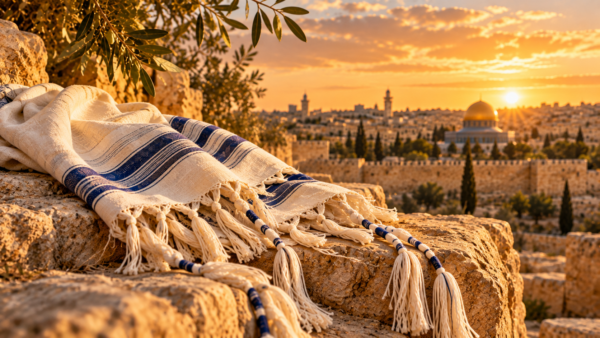
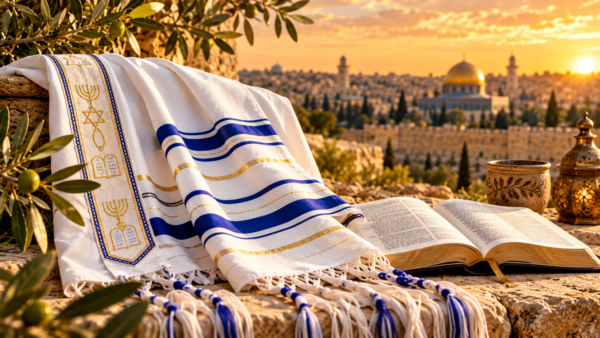
Prayer shawls deserve careful consideration because they combine practical use with biblical symbolism.
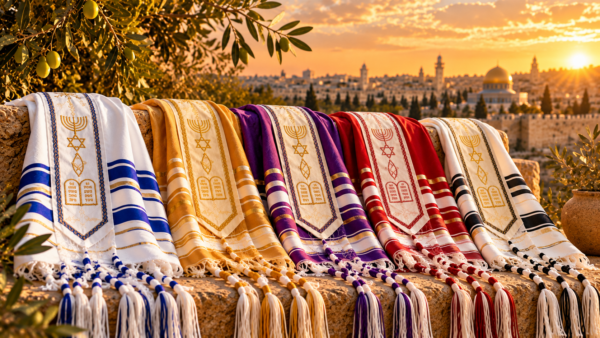
Begin with size and material. A lightweight prayer shawl can be comfortable for regular prayer and easy to carry. A larger tallit may provide a more traditional covering.
Design matters as well. Some buyers prefer traditional stripes and colors. Others seek Hebrew blessings, biblical verses, or Messianic symbolism.
Most importantly, consider the person who will use it. A prayer shawl should reflect their faith tradition, devotional practices, and personal preferences.
Choosing Olive Wood Gifts
Olive wood is a popular material for Christian gifts because of its natural beauty and connection to the biblical landscape.
Crosses, nativity scenes, ornaments, and other devotional pieces can all be crafted from olive wood. Natural variations in grain can also make individual pieces distinctive.
When choosing an olive wood gift, consider its intended use. A small cross may work beautifully for a prayer desk or bedside table. A larger piece may be better suited for display in a home or church.
For Christmas, olive wood nativity pieces and ornaments can provide a meaningful connection to Bethlehem and the story of Christ’s birth.
Choosing Rosaries and Crosses
Rosaries and crosses remain popular because their meaning is immediately recognizable to many believers.
If the item will be carried or used regularly, durability should be a priority. For display, craftsmanship and visual details may matter more.
Material can also influence the character of the gift. Olive wood offers a warm, natural appearance. Metal can provide durability and a more formal look.
The occasion should help guide the decision. A cross may suit Easter, baptism, a housewarming, or encouragement during a difficult season. A rosary may be especially meaningful for someone whose devotional tradition includes regular use of one.
Choosing Christian and Biblical Jewelry
Religious jewelry combines personal style with expressions of faith.
Cross necklaces remain a classic choice. Other options include Jerusalem Crosses, Ichthys symbols, biblical gemstones, olive branches, and Holy Land-inspired designs.
Before purchasing jewelry, consider the recipient’s style. Some women and men prefer subtle symbols they can wear every day. Others enjoy larger pieces with stronger biblical imagery.
Also check practical details such as chain length, pendant size, materials, and clasp style. A beautiful piece becomes a better gift when it is comfortable enough to wear regularly.
Choosing Judaica and Hebraic Roots Items
Judaica and Hebraic Roots products require thoughtful selection because their symbols and uses may carry specific traditions.
Menorahs, shofars, Kiddush cups, and other symbolic items may serve devotional, ceremonial, educational, or decorative purposes.
Before buying, determine how the recipient intends to use the item. A decorative piece may not meet the requirements of someone seeking an item for religious observance.
Understanding the recipient’s tradition can help you choose respectfully and confidently.
What to Check Before You Buy
Product photographs are helpful, but details matter just as much.
Always check dimensions. Online photography can make small objects appear much larger than they actually are.
Next, review the material and construction. If craftsmanship or origin matters to you, look for clear information rather than making assumptions from the photograph alone.
Consider the intended use as well. Ask whether the item is designed for prayer, worship, display, ceremony, or gifting.
Finally, think about the recipient. A new believer may appreciate something simple and easy to understand. Someone deeply familiar with biblical traditions may value richer symbolism or more specialized devotional items.
A Holy Land Products Buying Guide for Gifts
When buying for someone else, ask two simple questions: Will they use it, and will its meaning speak to them?
For someone with an active prayer life, anointing oil, a prayer shawl, rosary, or devotional cross may be appropriate.
For Christmas, Bethlehem-inspired nativity pieces and olive wood gifts can connect naturally with the biblical story of Christ’s birth.
Milestone occasions may call for something designed to last. Baptisms, weddings, ministry anniversaries, and housewarmings are opportunities to choose a keepsake the recipient can treasure for years.
For church groups or ministry gifting, affordability and broad appeal may become more important. Simple items with clear Christian symbolism can work especially well when purchasing for several people.
Choosing According to Your Budget
Meaningful religious gifts exist at many price points.
A smaller gift does not necessarily carry less spiritual significance. A simple cross, small bottle of anointing oil, or modest devotional keepsake can still become deeply meaningful to the recipient.
For major milestones, you may decide to invest more in craftsmanship, material, or presentation. Meanwhile, bulk ministry gifts may require a more affordable option.
The goal is not to choose the most expensive item. Instead, choose something appropriate for the purpose, recipient, and occasion.
Buying Holy Land Products With Purpose
A useful Holy Land products buying guide ultimately comes down to one principle: choose with purpose.
Consider origin, symbolism, materials, craftsmanship, and practical use. Then think about the person who will receive or use the item.
The right product should do more than look beautiful. It should carry meaning into prayer, worship, remembrance, or gifting.
Whether you are searching for a Christian gift, devotional item, prayer shawl, anointing oil, olive wood piece, jewelry, or Judaica, thoughtful selection can turn a simple purchase into something that remains meaningful for years.
Explore the complete collection of authentic Holy Land products at 3 Arches USA, including Christian gifts, olive wood crafts, prayer shawls, anointing oils, jewelry, Judaica, communion items, and other faith-inspired treasures.
“Bringing a piece of the Holy Land to your home.”

Recent Comments