
Biblical Incense for Prayer Explained
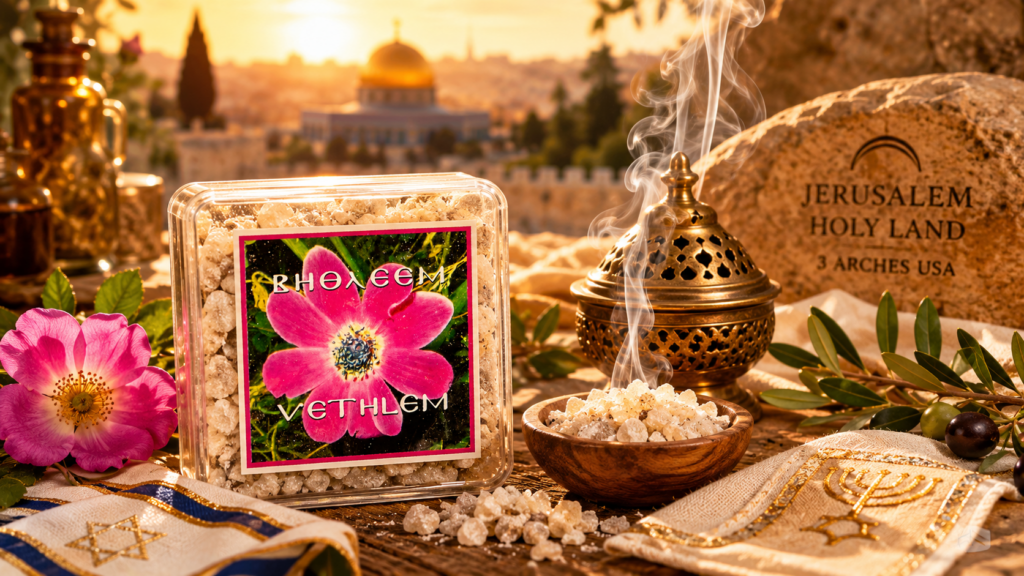
When a room fills with the gentle fragrance of biblical incense for prayer, worship can become easier to focus on. Scent has a way of quieting distractions, marking sacred time, and reminding the heart that prayer is an offering brought before the Lord with reverence.
What Biblical Incense for Prayer Means in Scripture
In the Bible, incense is more than a pleasant aroma. It carries deep spiritual meaning. In Psalm 141:2, prayer is compared to incense rising before God. Revelation 5:8 and Revelation 8:3–4 also connect incense with the prayers of the saints.
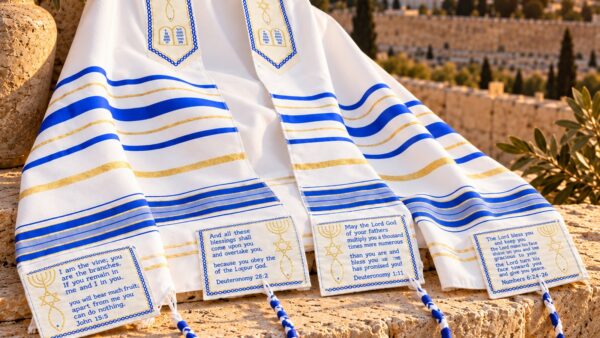
This image presents prayer as something treasured and lifted before God.
In the Old Testament, incense also belonged to holy service. The incense offered in the tabernacle and Temple was not random or casual. God gave specific instructions for its preparation and sacred use. This biblical pattern reminds believers to approach worship with sincerity, humility, and honor.
Christians do not need to recreate Temple rituals in order to pray faithfully. However, many believers find that incense, when used reverently, can serve as a meaningful reminder of biblical worship. For some, it helps create a peaceful prayer atmosphere at home. Others use it during special times of devotion, intercession, or reflection.
Why Believers Still Use Biblical Incense for Prayer
People are drawn to incense for different reasons, and not all of them are purely aesthetic. For many Christians, Messianic believers, and those interested in the biblical roots of their faith, biblical incense for prayer connects the senses with Scripture.
Faith is not only read or spoken. People also remember it through touch, fragrance, and meaningful objects that direct the heart toward God.
There is also a heritage element. Holy Land traditions, Temple imagery, and biblical ingredients create a sense of continuity with the world of Scripture. This does not make incense holy by itself, nor should it replace genuine prayer. Instead, a biblically inspired fragrance can help believers intentionally set apart time with God.
Incense will not suit everyone. Some believers appreciate its symbolism and fragrance, while others prefer an unscented prayer space. Allergies, children, pets, asthma, or sensitivity to smoke may also make incense unsuitable.
Ultimately, reverence matters more than ritual form. If incense helps you pray with focus, it can support your devotional life. If it becomes a distraction, another devotional practice may work better.
Biblical Ingredients and Their Sacred Associations
Scripture mentions incense ingredients such as frankincense, myrrh, stacte, onycha, and galbanum, particularly in passages connected with worship.
Frankincense is perhaps the fragrance most people recognize. It appears in Old Testament worship and in the Gospel account of the gifts presented to Jesus. Myrrh also carries strong biblical associations with fragrance, anointing, burial, and costly devotion.
Today, many believers choose incense blends inspired by these biblical materials.
However, not every modern product labeled as biblical incense duplicates the exact sacred incense described in Exodus. The biblical formula had a specific purpose within Israel’s worship. Modern devotional incense is generally inspired by biblical fragrances rather than intended to recreate Temple worship.
Understanding this distinction helps preserve both reverence and biblical accuracy.
A prayer incense featuring frankincense or myrrh can still carry meaningful biblical associations without claiming to reproduce the sacred Temple formula. For shoppers who value authenticity, ingredients and origin may also play an important role in choosing a product.
How to Use Incense During Prayer
Using incense well is less about ceremony and more about intention. A simple prayer space, a Bible, and a small amount of incense can create a peaceful setting for worship.
The goal is not to make incense the center of prayer. Instead, allow the fragrance to remain part of the atmosphere while your attention stays focused on God.
You might begin with Scripture and then move into thanksgiving, intercession, or quiet reflection. Psalms can pair naturally with this practice because Scripture itself uses the image of incense rising alongside prayer.
The time of day is a personal choice. Some believers use incense during morning devotion, while others prefer evening prayer when the day has become quieter. Families may reserve it for special seasons or meaningful occasions.
There is no New Testament command requiring incense for personal prayer. Therefore, wisdom, personal conviction, and church tradition can guide its use.
Using Incense Safely at Home
Practical care matters whenever incense involves heat, burning resin, charcoal, or flame.
Always use a heat-safe burner or holder designed for the type of incense you choose. Keep burning incense away from curtains and other flammable materials. It should also remain safely out of reach of children and pets.
Ventilation is important as well. If someone in the home has asthma, respiratory sensitivities, or fragrance sensitivity, consider another devotional aid instead.
Reverent worship should also be responsible worship.
Choosing Biblical Incense for Prayer Today
When selecting biblical incense for prayer, look beyond the packaging and consider what gives the product devotional meaning.
Fragrance matters, but so do quality, ingredients, and the biblical associations behind the blend. Frankincense generally offers a distinctive resinous aroma, while myrrh often has a deeper and earthier character. Different blends may lean warm, woody, sweet, or resinous depending on their ingredients.
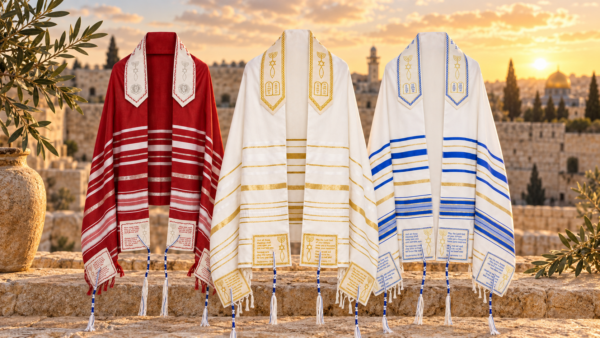
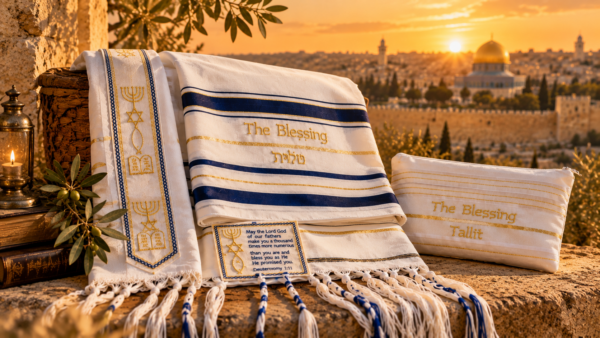
For gift buyers, incense can also pair beautifully with devotional items such as anointing oil, an olive wood cross, a prayer shawl, or a Bethlehem-inspired keepsake.
It can make a thoughtful gift for pastors, prayer partners, housewarmings, or believers creating a dedicated prayer space. Because incense can be both practical and symbolic, it offers a meaningful gift without becoming overly complicated.
Common Misunderstandings About Incense and Prayer
Some Christians hesitate to use incense because they associate it primarily with formal liturgical traditions. Others worry that incorporating a physical object into prayer may feel too ritualistic.
Those concerns deserve respect. Incense is not required for acceptable prayer, and no fragrance can make a person’s prayers more worthy before God.
At the same time, Scripture contains many physical symbols connected with worship and remembrance. Oil, bread, wine, garments, memorial stones, tassels, lamps, and incense all appear within biblical life.
The important question is whether a physical object directs the heart toward God or begins to replace the purpose behind it.
Used thoughtfully, incense can support prayer. It can mark sacred time, accompany scriptural meditation, and recall the biblical image of prayers rising before the Lord. Without that intention, it remains simply fragrance and smoke.
A Reverent Place for Incense in Daily Devotion
Biblical incense for prayer continues to resonate because it brings together Scripture, memory, fragrance, and worship in a tangible way.
For some believers, it becomes part of a quiet daily rhythm. For others, it belongs to special moments of intercession, biblical reflection, or faith-centered gift giving.
If you choose to use incense, let it serve a simple purpose: to help set apart time with God and remind your heart of the biblical image of prayer rising before Him.
The fragrance may fade, but a devoted prayer life leaves a lasting impression.
For those seeking authentic biblical incense inspired by Scripture and worship, explore our collection of Holy Land incense and devotional gifts at 3 Arches USA.
“Bringing a piece of the Holy Land to your home.”



Recent Comments