
What Is a Tallit and Why Is It Worn?
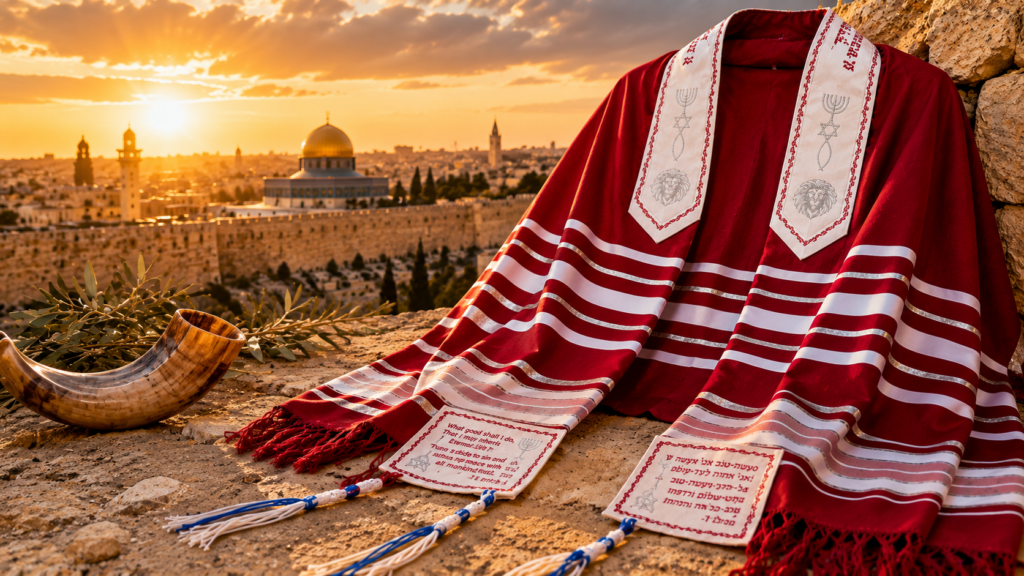
A tallit is more than a garment. For many believers, it is a visible reminder of prayer, reverence, and obedience to God. If you have ever asked, What Is a Tallit and Why Is It Worn?, the answer begins in Scripture and continues in daily worship, synagogue tradition, and Messianic faith practice today.
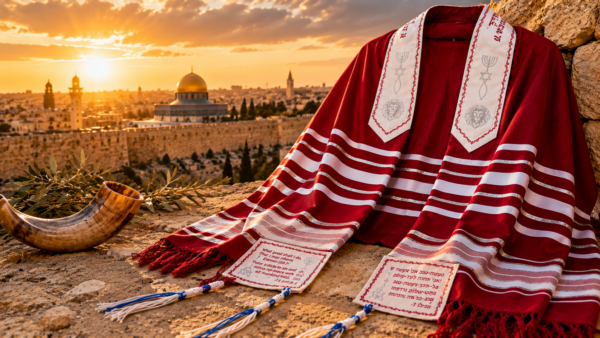
Often called a prayer shawl, a tallit is a fringed garment worn during prayer. The most recognized form is the tallit gadol, a larger shawl placed over the shoulders. There is also the tallit katan, a smaller garment with fringes that may be worn under clothing. What makes a tallit distinct is not simply the fabric or striped design, but the tzitzit, the knotted fringes attached to the corners.
What Is a Tallit and Why Is It Worn in the Bible?
The biblical foundation for the tallit comes from commands in the Torah, especially in Numbers 15:37-41 and Deuteronomy 22:12. In these passages, God instructs the children of Israel to place fringes on the corners of their garments. These fringes were meant to serve as a reminder to keep His commandments and live as a holy people.
That purpose still matters. A tallit is worn as a spiritual reminder that faith is not only inward. It is meant to shape actions, prayer, and daily devotion. The garment points the wearer back to God’s Word, calling the heart to humility and the mind to remembrance.
For many Christian believers, Messianic worshipers, and Hebraic roots followers, the tallit also carries deep New Testament resonance. Some connect it to moments in the Gospels where people touched the hem of Jesus’ garment in faith. In that setting, the fringes are often understood as part of a garment consistent with Jewish practice.
The Meaning Behind the Prayer Shawl
A tallit is often worn during morning prayers, Sabbath worship, feast days, and other sacred moments. Some worshipers place it over the head while praying, creating a private space of focus and reverence. Others wear it across the shoulders as a sign of entering prayer with intention.
The symbolism is rich but still practical. The fringes represent God’s commandments. The garment itself can represent covering, holiness, and covenant identity. In many faith communities, wearing a tallit is not about display or status. It is about remembering who God is and how His people are called to approach Him.
Colors and patterns may vary. Some tallits are white with blue or black stripes, while others include gold accents, embroidered blessings, or symbols such as the Star of David or Messianic seal. These design choices can reflect tradition, personal devotion, or gift-giving occasions, but the heart of the tallit remains its biblical meaning.
Who Wears a Tallit Today?
In Jewish tradition, the tallit is commonly worn by men during prayer, though practice varies by denomination and community. In Messianic and Hebraic roots settings, both men and women may wear a prayer shawl, especially during worship, intercession, or personal prayer time. Some believers reserve it for congregational use, while others keep one at home for daily devotion.
This is where context matters. Not every believer sees the tallit as a required practice, and not every church tradition uses it. For some, it is a cherished expression of biblical heritage. For others, it is a meaningful prayer aid rather than a formal obligation. That difference does not lessen its value. It simply means the tallit is approached with both conviction and personal discernment.
Why Many Believers Still Choose to Wear One
A tallit helps make prayer more intentional. In a distracted world, sacred habits matter. Putting on a prayer shawl can mark a transition from ordinary activity into a time of worship, study, or intercession. It can also become a meaningful gift for baptisms, ministry milestones, holidays, or special seasons of spiritual growth.
For shoppers seeking authentic religious products from the Holy Land and Bethlehem, a tallit often stands out because it combines biblical symbolism with everyday devotional use. It is not only beautiful to display. It is meant to be worn, prayed in, and treasured.
When choosing one, many buyers look at material, size, color, and symbolic details. Cotton and acrylic blends are common for regular use, while wool may be preferred for traditional settings. Some want a simple, classic prayer shawl. Others look for a more decorative tallit suited for gifting or ceremonial occasions. At 3 Arches USA, that interest often comes from believers who want a product that feels spiritually meaningful and easy to shop with confidence.
A Sacred Garment With Lasting Meaning
The tallit endures because it brings Scripture into the physical rhythms of worship. It reminds the believer to pray, remember, and draw near to God with reverence. Whether used in synagogue prayer, Messianic worship, or private devotion at home, it remains a powerful sign of biblical heritage and heartfelt faith.
For anyone asking what a tallit is, the simplest answer is this: it is a prayer shawl rooted in God’s command, worn as a reminder of His presence, His Word, and the calling to walk faithfully before Him.
Score: 9/10
What is good
✅ Strong keyword: “What Is a Tallit and Why Is It Worn” ✅ Well structured with clear headings ✅ Educational and trustworthy ✅ Naturally mentions prayer shawl, tzitzit, Messianic, worship, Holy Land ✅ Good length
Improvements Add 1 internal link to your Tallit category page near the end. Add “prayer shawl” a few more times naturally (currently a bit light). Change one heading to: “What Is a Tallit (Prayer Shawl)?” for additional keyword variation. Add a short FAQ at the bottom:
Is a tallit the same as a prayer shawl? Yes. A tallit is the traditional Jewish prayer shawl worn during worship and prayer.
Can Christians wear a tallit? Many Messianic and Hebraic Roots believers choose to wear a tallit during prayer and worship as a reminder of biblical faith.
SEO
Target keyword: Excellent Readability: Excellent Conversion potential: Good Product relevance: Good
Publish: Yes ✅
can you makw the chnages and give me a ready amended blog What Is a Tallit (Prayer Shawl) and Why Is It Worn?
A tallit is more than a garment. For many believers, it is a visible reminder of prayer, reverence, and obedience to God. If you have ever asked, What Is a Tallit and Why Is It Worn?, the answer begins in Scripture and continues in daily worship, synagogue tradition, and Messianic faith practice today.
Often called a prayer shawl, a tallit is a fringed garment worn during prayer. The most recognized form is the tallit gadol, a larger shawl placed over the shoulders. There is also the tallit katan, a smaller garment with fringes that may be worn under clothing. What makes a tallit distinct is not simply the fabric or striped design, but the tzitzit, the knotted fringes attached to the corners.
What Is a Tallit and Why Is It Worn in the Bible?
The biblical foundation for the tallit comes from commands in the Torah, especially in Numbers 15:37-41 and Deuteronomy 22:12. In these passages, God instructs the children of Israel to place fringes on the corners of their garments. These fringes were meant to serve as a reminder to keep His commandments and live as a holy people.
That purpose still matters. A tallit is worn as a spiritual reminder that faith is not only inward. It is meant to shape actions, prayer, and daily devotion. The garment points the wearer back to God’s Word, calling the heart to humility and the mind to remembrance.
For many Christian believers, Messianic worshipers, and Hebraic roots followers, the prayer shawl also carries deep New Testament resonance. Some connect it to moments in the Gospels where people touched the hem of Jesus’ garment in faith. In that setting, the fringes are often understood as part of a garment consistent with Jewish practice.
The Meaning Behind the Prayer Shawl
A tallit is often worn during morning prayers, Sabbath worship, feast days, and other sacred moments. Some worshipers place the prayer shawl over the head while praying, creating a private space of focus and reverence. Others wear it across the shoulders as a sign of entering prayer with intention.
The symbolism is rich but still practical. The fringes represent God’s commandments. The garment itself can represent covering, holiness, and covenant identity. In many faith communities, wearing a tallit is not about display or status. It is about remembering who God is and how His people are called to approach Him.
Colors and patterns may vary. Some tallits are white with blue or black stripes, while others include gold accents, embroidered blessings, or symbols such as the Star of David or Messianic seal. These design choices can reflect tradition, personal devotion, or gift-giving occasions, but the heart of the tallit remains its biblical meaning.
Who Wears a Tallit Today?
In Jewish tradition, the tallit is commonly worn by men during prayer, though practice varies by denomination and community. In Messianic and Hebraic roots settings, both men and women may wear a prayer shawl, especially during worship, intercession, or personal prayer time. Some believers reserve it for congregational use, while others keep one at home for daily devotion.
This is where context matters. Not every believer sees the tallit as a required practice, and not every church tradition uses it. For some, it is a cherished expression of biblical heritage. For others, it is a meaningful prayer aid rather than a formal obligation. That difference does not lessen its value. It simply means the tallit is approached with both conviction and personal discernment.
Why Many Believers Still Choose to Wear One
A tallit helps make prayer more intentional. In a distracted world, sacred habits matter. Putting on a prayer shawl can mark a transition from ordinary activity into a time of worship, study, or intercession. It can also become a meaningful gift for baptisms, ministry milestones, holidays, or special seasons of spiritual growth.
For shoppers seeking authentic religious products from the Holy Land and Bethlehem, a tallit often stands out because it combines biblical symbolism with everyday devotional use. It is not only beautiful to display. It is meant to be worn, prayed in, and treasured.
When choosing one, many buyers look at material, size, color, and symbolic details. Cotton and acrylic blends are common for regular use, while wool may be preferred for traditional settings. Some want a simple, classic prayer shawl. Others look for a more decorative tallit suited for gifting or ceremonial occasions.
You can browse our collection of prayer shawls and tallits to find a design that reflects your faith journey and worship style.
A Sacred Garment With Lasting Meaning
The tallit endures because it brings Scripture into the physical rhythms of worship. It reminds the believer to pray, remember, and draw near to God with reverence. Whether used in synagogue prayer, Messianic worship, or private devotion at home, it remains a powerful sign of biblical heritage and heartfelt faith.
For anyone asking what a tallit is, the simplest answer is this: it is a prayer shawl rooted in God’s command, worn as a reminder of His presence, His Word, and the calling to walk faithfully before Him.
Looking for a meaningful prayer shawl rooted in biblical tradition? Explore our collection of authentic tallits and prayer shawls at 3 Arches USA.
https://3archesusa.com/product-category/judaica/prayer-shawls/?doing_wp_cron=1781015634.5659079551696777343750


Recent Comments